
The mountain gorilla remains one of the world’s most formidable vegetarians. While these primates are famously gentle, a six-foot-tall silverback weighing 400 pounds commands immediate, instinctive respect.
Most interactions in the forest are peaceful, characterized by quiet grunts and the rustle of leaves. Yet, the possibility of a charge exists.
It is not an act of malice but a sophisticated form of communication. Understanding this nuance transforms a moment of potential panic into a profound lesson in interspecies etiquette.
Key Takeaways
- Charges are almost always “bluff charges” designed to assert dominance or protect the troop.
- The primary directive is to remain stationary and lower your physical profile by crouching.
- Direct eye contact is perceived as a challenge; looking down signals submission and peace.
- Upholding a seven-meter distance is the most effective way to prevent defensive behavior.
Why Mountain Gorillas Charge

To understand how to react, you must first understand the “why” behind the behavior. A silverback is the CEO and security detail of his family. His primary role is protection.
If he perceives a threat—whether from a rival male or a group of humans who have encroached too closely—he may initiate a charge.
Mainstream travel narratives often frame these moments as “attacks,” but that is a misnomer. Real attacks are exceptionally rare in habituated groups. Instead, a charge is a high-stakes display.
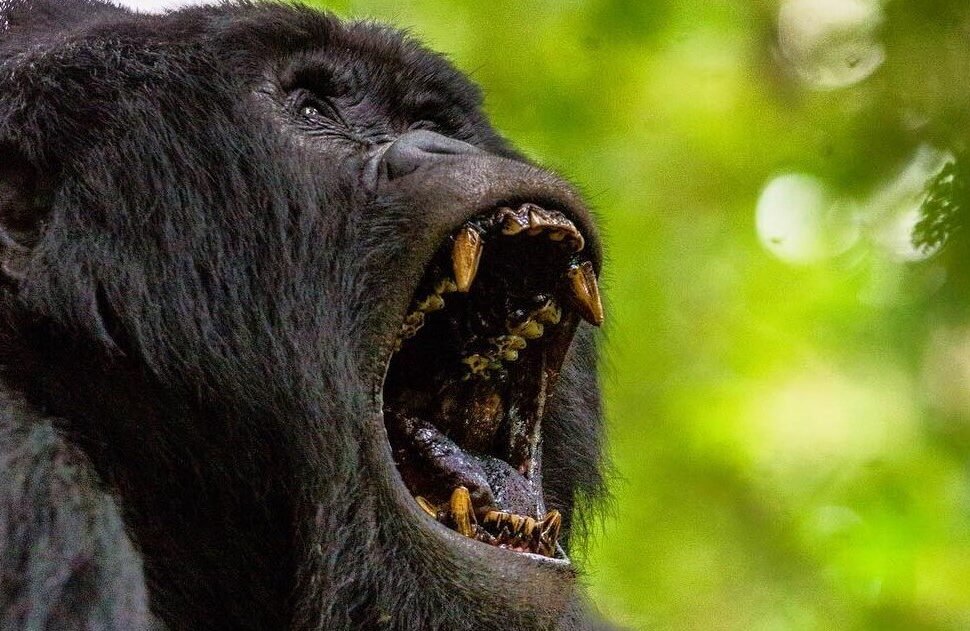
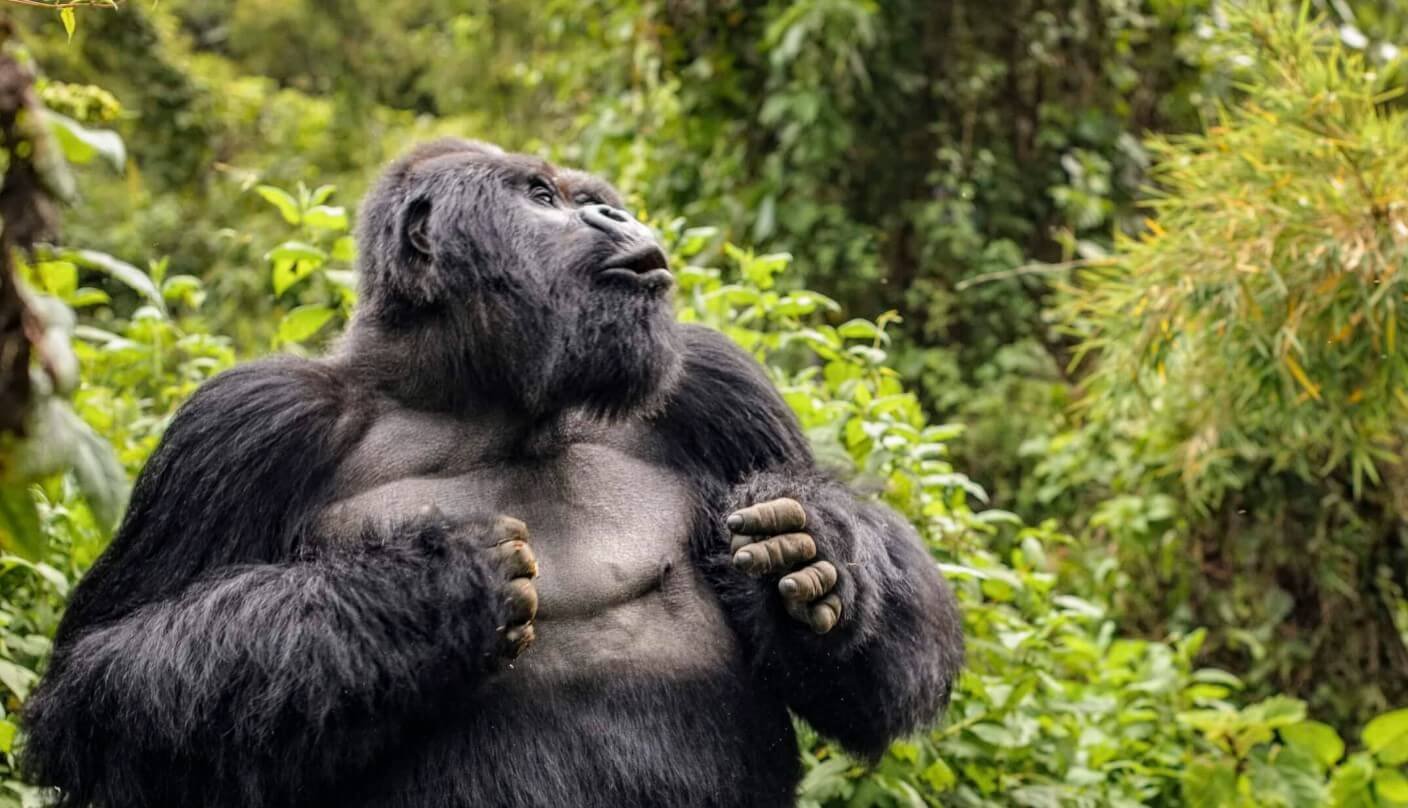
The gorilla might beat its chest, tear at vegetation, and run toward you at high speed. It is a bluff. He is testing your intent and demanding space.
If you understand what gorilla trekking is as a guest-host relationship, his desire for boundaries makes perfect sense.
The Physical Protocol for Safety

If the air suddenly fills with a sharp bark and a massive silverback begins to move toward you, your adrenaline will spike.
This is a biological certainty. However, your survival and the safety of the troop depend on your ability to override the “flight” instinct.
1. Crouch and Subside
Never run. In the animal kingdom, running identifies you as prey or a coward to be chased. Instead, slowly drop to your knees.
By making yourself smaller, you signal that you have no intention of challenging the silverback’s authority. This simple movement often ends the charge before the gorilla even reaches you.
2. Manage Your Gaze
In human society, looking someone in the eye is a sign of honesty. In the forest, it is a declaration of war.
If a gorilla is charging or even just staring intently, look at the ground or the surrounding foliage. This submissive posture tells the silverback you acknowledge his leadership.
3. Silence and Stillness
Avoid screaming or making sudden movements with your arms. If you are holding a camera, keep it low.
The goal is to become as uninteresting as possible. Usually, the gorilla will stop a few feet away, see that you have conceded the point, and return to his family.
The Role of Your Rangers

Every gorilla trekking experience is managed by armed, expert rangers from the Uganda Wildlife Authority. These professionals spend more time with these animals than with their own families. They recognize the individual temperaments of each silverback.
If a charge occurs, the rangers will often make low, throaty “belch” sounds to reassure the gorillas. Listen to their instructions above all else.
They are trained to position themselves between you and the primates if necessary. Following the gorilla trekking rules isn’t just about bureaucracy; it is about maintaining the habituation that keeps these encounters safe for everyone.
Ethical Considerations of Proximity

We must ask ourselves if our desire for the “perfect shot” contributes to these defensive displays. The official rule is to stay seven meters away.
However, gorillas don’t read the rulebooks. They may move toward you. If the distance closes, it is our responsibility to back away slowly.
Ensuring that gorilla trekking is ethical means prioritizing the animal’s comfort over our own convenience. When we respect their boundaries, the need for a charge vanishes.
Research by organizations like the Dian Fossey Gorilla Fund shows that habituated gorillas are highly adapted to human presence, provided that presence remains predictable and respectful.
Planning Your Trek Safely
Preparation begins long before you step into the Bwindi Impenetrable Forest. Whether you are opting for a 2-day Bwindi gorilla trek from Kigali or a more extensive 8-day Uganda wildlife safari, being physically and mentally prepared is key.
Knowing the cost of gorilla trekking and securing Uganda gorilla trekking permits early ensures you are part of a regulated, safe environment. In these forests, safety is a collective effort between the trekker, the ranger, and the gorilla.

Common Questions About Gorilla Charges
1. Do gorillas attack tourists often?
Actual attacks are incredibly rare. Habituated gorillas are accustomed to humans and generally view us as a neutral part of their environment. Charges are almost always bluffs to assert dominance.
2. What should I do if a gorilla touches me?
Though rare, a curious youngster might approach you. Stay still, keep your hands tucked in, and let the rangers guide you. Never initiate contact with a gorilla.
3. Is gorilla trekking safe for beginners?
Yes. As long as you follow the safety protocols and are in reasonable physical shape for the hike, it is a very safe activity. You can read more on our is gorilla trekking safe page.
4. Can I use a flash on my camera?
No. Flash photography is strictly prohibited. The sudden light can startle the gorillas and trigger a defensive charge.
The forest is a place of profound connection, but it operates on ancient rules. By respecting the silverback’s role as protector, you ensure that your encounter is defined by awe rather than fear.
Ready to experience the heights of the Bwindi forest for yourself? Request a quote today to begin your journey.