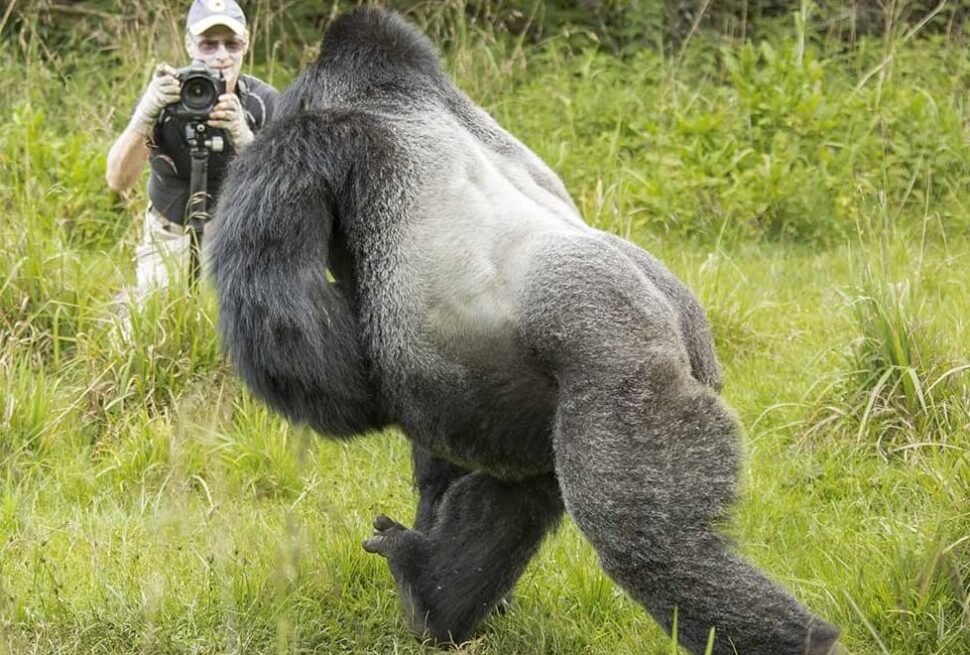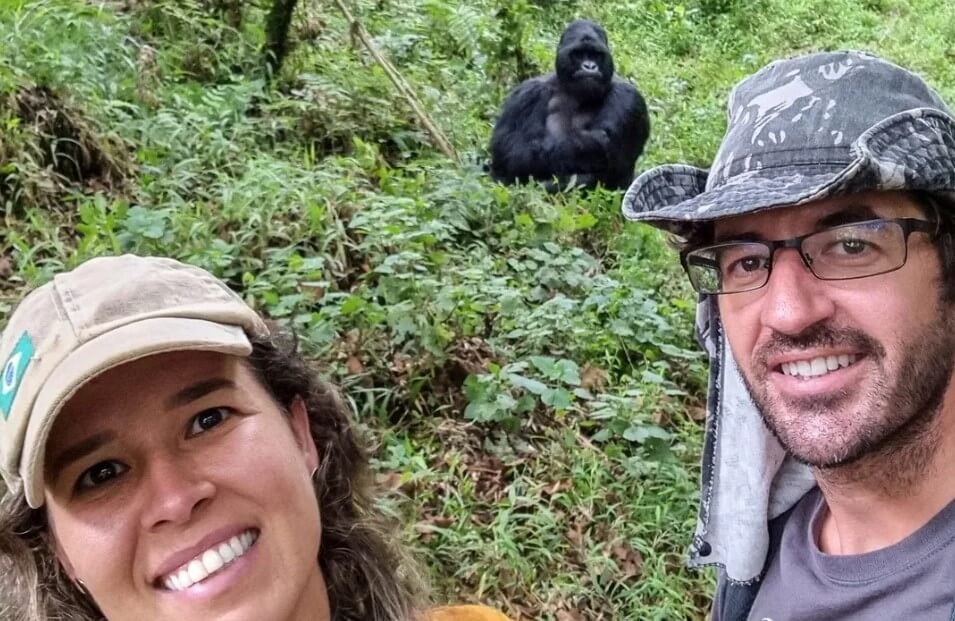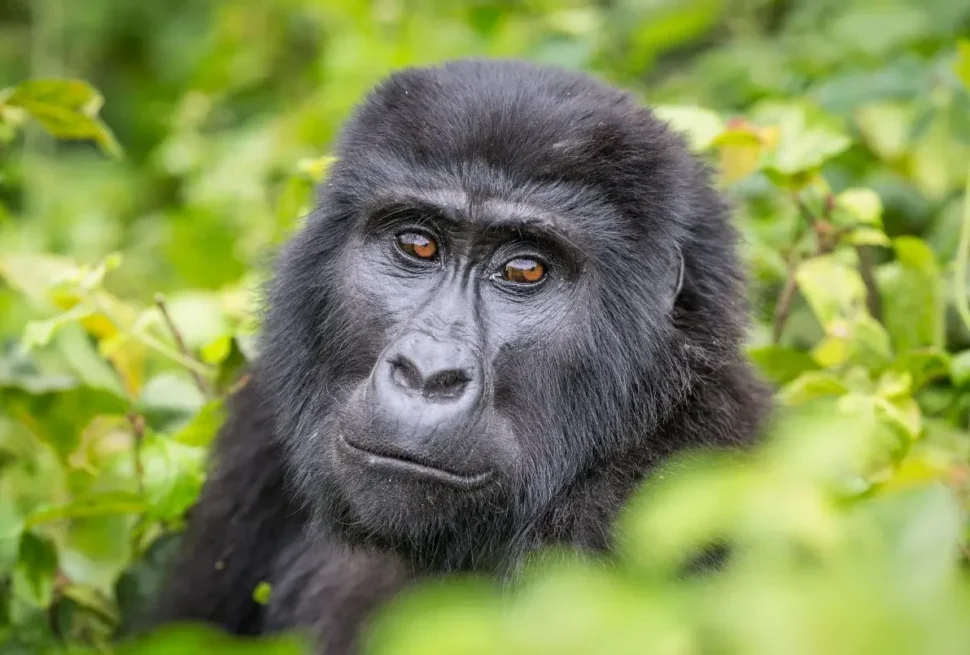

A mountain gorilla can weigh over 180 kilograms. A silverback can move through dense forest faster than most humans can react. Yet the biggest reason children under 15 are not allowed to trek gorillas has less to do with physical danger than many people assume.
It comes down to judgment, disease risk, and unpredictability.
Families planning an East African safari often discover the age rule late in the process. Some assume exceptions exist. Others think guides can quietly bend the regulations.
They cannot. Uganda, Rwanda, and the Democratic Republic of Congo all enforce strict minimum age requirements for gorilla trekking permits.
That disappoints some families initially. Still, the reasoning behind the rule becomes more understandable once you look beyond tourism marketing and into conservation realities.
Key Takeaways
- The minimum age for gorilla trekking in Uganda is 15 years old, with no routine exceptions.
. - The rule exists for safety, emotional maturity, and protection against gorilla disease.
. - Younger children can still experience primates through golden monkey trekking in Mgahinga, which has no official age restriction.
. - Families with teenagers often do best with shorter travel days and flexible safari pacing.
. - Gorilla trekking can be deeply rewarding for mature teenagers who understand the physical and behavioural expectations involved.
.
What Is the Minimum Age for Gorilla Trekking?

The minimum age for gorilla trekking in Uganda is 15 years old.
This rule applies across all gorilla trekking sectors in Bwindi Impenetrable National Park and Mgahinga Gorilla National Park.
Uganda Wildlife Authority enforces the policy strictly. Travellers under 15 are generally not issued gorilla permits, even if parents believe their child is physically capable.
That last part matters because the restriction is often misunderstood. Fitness alone is not the deciding factor.
A calm, athletic 12-year-old may technically manage the hike better than some adults. But gorilla trekking involves more than walking through a forest.
Why Is the Age Limit 15?

Several overlapping reasons shape the policy.
1. Disease Transmission Risks
Mountain gorillas share roughly 98 percent of human DNA. That closeness makes them highly vulnerable to human illnesses, including common respiratory infections.
Young children tend to struggle more with strict hygiene protocols. Sneezing unexpectedly, coughing openly, or failing to maintain distance can create real risks for endangered gorillas.
Conservation organizations such as The Dian Fossey Gorilla Fund and The International Gorilla Conservation Programme have repeatedly emphasized that disease transmission remains one of the greatest long-term threats to mountain gorilla populations.
This is also why travellers who feel sick are sometimes denied access to trekking entirely.
2. Emotional Predictability Matters
Wild gorillas are generally calm around humans because they are habituated gradually over years. Still, they remain wild animals.
Occasionally, a gorilla may vocalize loudly, move suddenly, or approach closely. Adults usually process those moments calmly after the guide’s instructions. Younger children may panic, cry, run, or react unpredictably.
That reaction creates problems quickly in close wildlife encounters.
The age rule partly reflects behavioural risk management rather than simple physical ability.
3. Trekking Conditions Can Be Demanding
Some gorilla treks last several hours through steep rainforest terrain. Mud, altitude, slippery slopes, and dense vegetation can exhaust even reasonably fit adults.
Our guide on how hard gorilla trekking is explains these physical demands in detail.
The challenge is not constant suffering, despite how some online discussions frame it. But neither is it a casual family stroll.
Can Families Ever Get Exceptions?
Rarely.
There have occasionally been isolated cases involving children very close to turning 15, especially if passports showed ambiguous birth timing relative to travel dates. Still, families should never plan around receiving an exception.
Trying to pressure guides or operators into bypassing regulations is also unfair to staff working under wildlife authority rules.
A better approach is building a family itinerary that works with the regulations rather than against them.
Best Alternatives for Families With Younger Children

This is where many safari articles stop too early. They frame the gorilla age limit as a dead end for families.
It is not.
Uganda still offers meaningful primate experiences for younger travellers, especially in the southwest.
a) Golden Monkey Trekking in Mgahinga
Golden monkey trekking in Mgahinga is one of the strongest alternatives for families with younger children.
Unlike gorilla trekking, golden monkey tracking has no strict minimum age requirement.
That flexibility changes everything for families.
Golden monkeys move quickly through bamboo forests and feel energetic in a way children often connect with immediately. The hikes are also generally shorter and less physically intense than many gorilla treks.
Mgahinga itself tends to receive less attention than Bwindi in mainstream safari marketing, which is unfortunate. The scenery around the Virunga volcanoes is extraordinary, and the park works particularly well for families wanting a quieter pace.
Families sometimes combine this with itineraries such as:
- 3 Day Mgahinga Gorilla Trekking
- 5 Day Mgahinga Gorillas Golden Monkeys Lake Bunyonyi
- 4 Day Uganda Safari
b) Boat Safaris and Wildlife Viewing
Families with younger children often enjoy Uganda more when the itinerary includes movement variety.
Long overland drives followed by difficult treks can wear children down quickly. Boat safaris, lighter nature walks, and traditional wildlife viewing create a better balance.
Trips like the 8 Day Uganda Wildlife Safari or 6 Day Uganda Safari often work well because they mix primates with broader safari experiences.
Is Gorilla Trekking Good for Teenagers?

For many teenagers, yes.
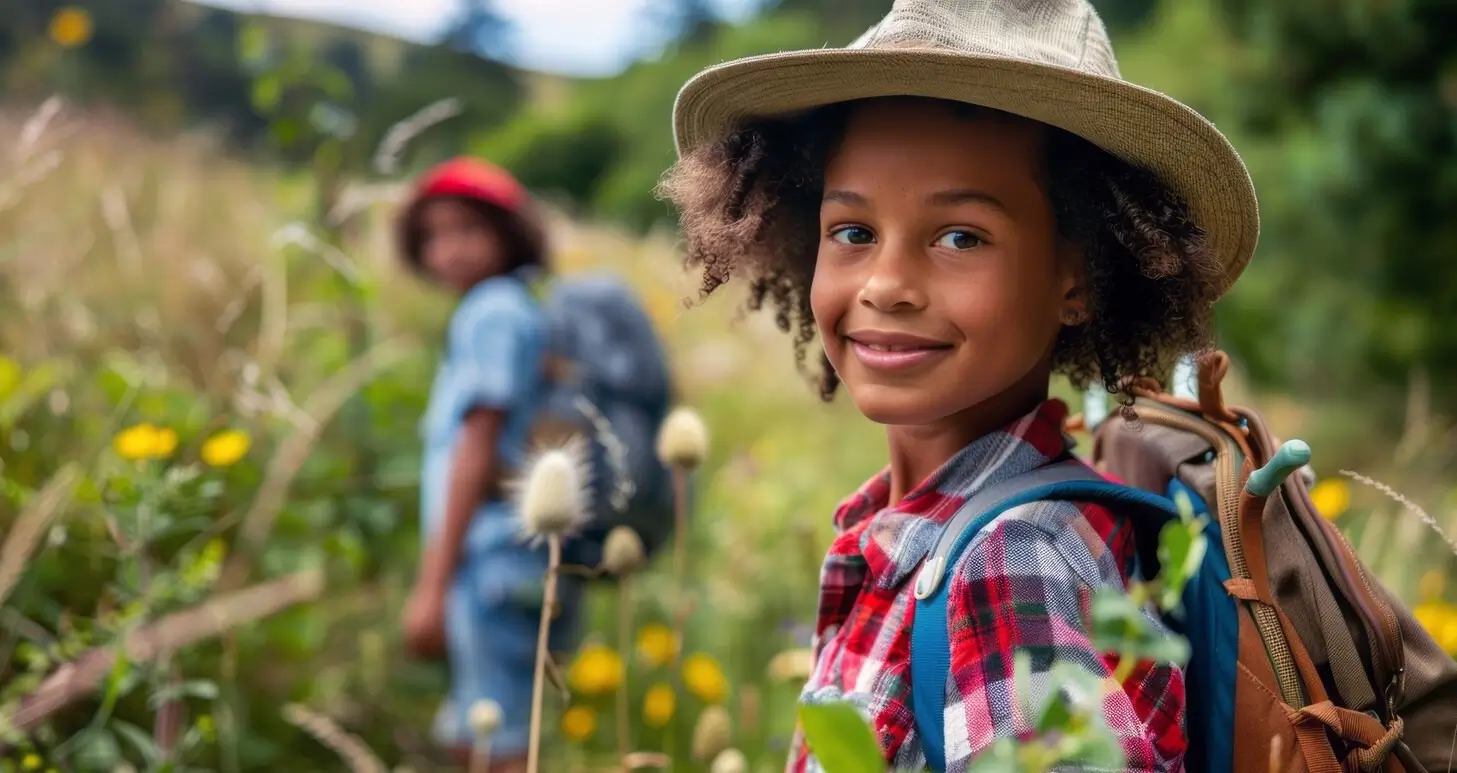
In fact, older teens often engage with gorilla trekking more deeply than adults expect. The encounter strips away distractions quickly. Phones disappear into pockets. Conversations stop. The forest takes over.
Teenagers who enjoy wildlife, photography, hiking, or environmental issues often find the experience surprisingly affecting.
Still, maturity matters more than enthusiasm alone.
A teenager who hates walking, struggles with patience, or expects luxury resort comfort may find the trek frustrating. Honest expectations help enormously.
Reading guides like what is gorilla trekking and gorilla trekking experience together as a family can help everyone understand what the day actually involves.
Family Planning Tips for Gorilla Safaris

1. Avoid Overpacking the Itinerary
Families often underestimate driving times in Uganda.
Adding too many parks too quickly creates fatigue, especially for younger travellers. A slower itinerary usually produces a better experience than trying to “maximize” sightings every day.
2. Consider Flying to Bwindi
Long road transfers can be exhausting for children and teenagers alike.
Families sometimes reduce travel fatigue significantly by combining gorilla trekking with domestic flights rather than full overland routes. Our guide on how to get to Bwindi explains the main options.
3. Prepare Teenagers Honestly
Avoid overselling the trek as magical every second.
There may be mud. Rain. Long climbs. Waiting. Fatigue.
Ironically, travellers who arrive with realistic expectations usually enjoy the experience far more than those expecting cinematic perfection.
4. Think Carefully About Rwanda vs Uganda
Families sometimes choose Rwanda because the access roads are shorter from Kigali. Others prefer Uganda for longer safari combinations and broader wildlife itineraries.
The right answer depends on your pacing, budget, and priorities. Our comparison guide on Uganda vs Rwanda gorilla trekking breaks down the differences carefully.
Gorilla Trekking With Teenagers Requires Preparation

Teenagers aged 15 and above still need permits, preparation, and proper planning.
These resources help families organize the logistics:
- Book a gorilla permit
- Gorilla permit availability
- Last-minute gorilla permits
- Cost of gorilla trekking
- FAQs about travelling to Uganda
You should also review practical preparation guides like:

Frequently Asked Questions
1. Can children do gorilla trekking in Uganda?
No. Children under 15 years old are generally not allowed to participate in gorilla trekking in Uganda.
2. Why is the minimum age for gorilla trekking 15?
The rule exists because of disease transmission risks, safety concerns, emotional unpredictability during wildlife encounters, and the physical demands of trekking.
3. Can a very fit 12-year-old do gorilla trekking?
Even if physically capable, children under 15 are typically not permitted to trek gorillas due to Uganda Wildlife Authority regulations.
4. What is the best alternative to gorilla trekking for younger kids?
Golden monkey trekking in Mgahinga is one of the best alternatives because there is no strict minimum age requirement, and hikes are usually easier.
5. Is gorilla trekking suitable for teenagers?
Yes. Many teenagers aged 15 and above find gorilla trekking deeply rewarding, especially if they enjoy wildlife, nature, or photography.
If your family is planning a Uganda safari and you want honest advice about gorilla trekking ages, family pacing, or alternative primate experiences, you can plan a safari.
Thoughtful planning usually makes the difference between a rushed family trip and one people still talk about years later.