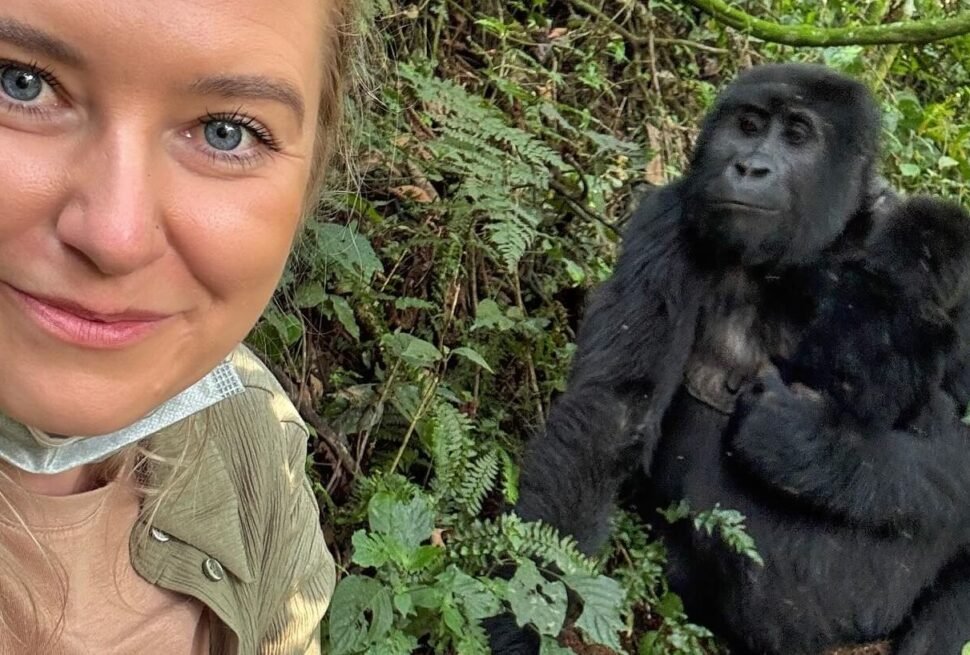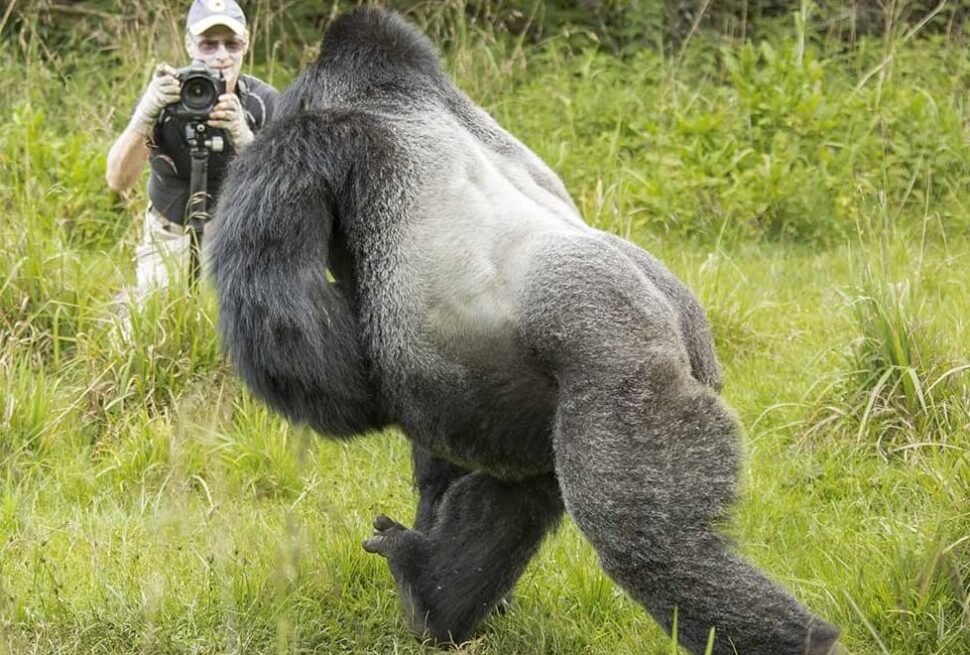

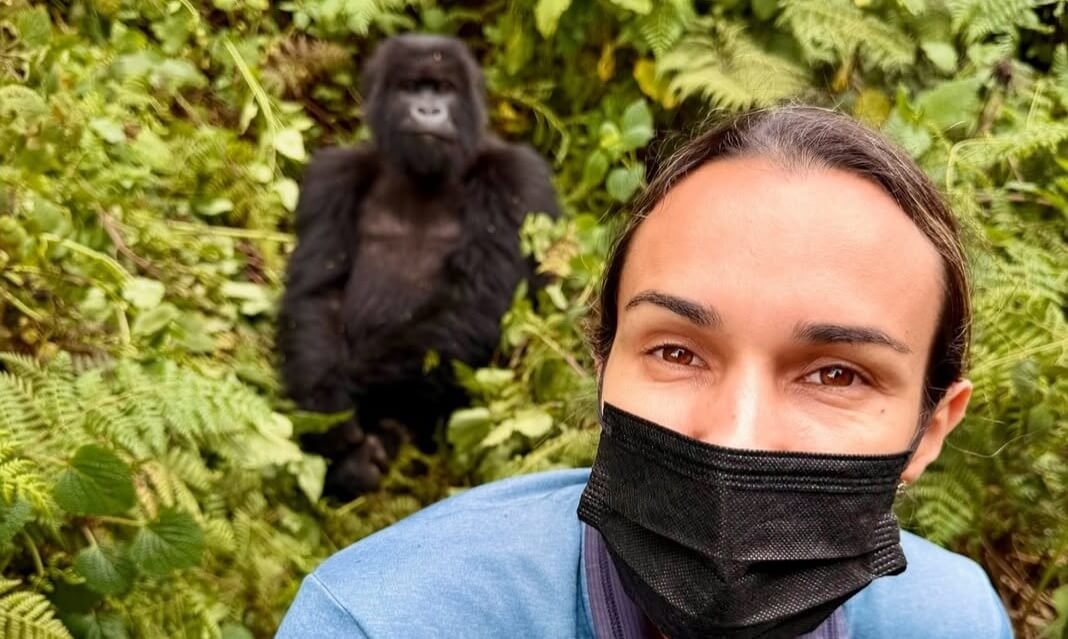
The mountain gorilla encounter is often reduced to a single hour of quiet observation, but for those seeking a more profound connection with the wild, there is a deeper alternative.
Standard trekking is a polished, predictable window into a habituated family’s life.
In contrast, the Gorilla Habituation Experience (GHEX) is a raw, four-hour immersion into the complex process of earning a wild animal’s trust.
Choosing between these two paths requires more than just looking at a price tag; it demands an honest assessment of your physical stamina and your desire for scientific insight.
While trekking offers the “postcard” moment, habituation provides the narrative.
Understanding the logistical and emotional differences between these encounters is essential for any traveler venturing into the ancient forests of Bwindi.
Key Takeaways
- Time Commitment: Standard trekking allows for one hour of observation, whereas habituation extends this to four hours once the group is located.
. - Permit Costs: A standard permit is currently $800, while the habituation permit in the Rushaga sector costs $1,500.
. - Group Intimacy: Habituation groups are strictly limited to four participants, half the size of standard trekking groups.
. - Scientific Depth: You accompany researchers and trackers actively working to acclimate the gorillas to human presence.
.
The Extended Dialogue of Habituation

The four-hour window offered by the gorilla habituation experience transforms a wildlife viewing into a behavioral study.
During a standard gorilla trekking experience, the apes are already accustomed to your presence and often continue their routines with little regard for the humans watching them. Habituation is different because the gorillas are still learning to be neutral toward observers.
You are not just a spectator; you are a participant in a long-term conservation effort.
Seeing how researchers mimic vocalizations or maintain specific postures to soothe a semi-habituated silverback offers a masterclass in interspecies communication.
This extended time is particularly valuable if you are interested in capturing natural behavior through gorilla photos, as it allows the group to settle into more candid interactions.
Logistics of the Rushaga Sector

Currently, the gorilla habituation in Bwindi is exclusively available in the southern Rushaga sector.
This specialization makes planning more targeted than standard trekking, which occurs across Buhoma, Ruhija, Nkuringo, and Rushaga. Because only four permits are issued per day for this experience, availability is a frequent bottleneck.
Travelers often arrive via a 2-day trek from Kigali due to the southern sector’s proximity to the Rwandan border. However, the trek for habituation can be significantly more taxing than a standard visit.
Since these groups are not yet “settled,” they may move deeper into the dense undergrowth, requiring you to navigate challenging terrain for longer periods.
It is important to know how hard gorilla trekking is before committing to the even more rigorous habituation path.
Weighting the Financial and Ethical Cost

The $1,500 permit for habituation is nearly double the cost of gorilla trekking.
Critics often wonder why gorilla trekking is so expensive, but these funds are the lifeblood of Bwindi’s protection. The higher price for habituation reflects the exclusivity of the small group and the direct support of research teams.
From an ethical standpoint, habituation is a sensitive process. Some travelers worry if gorilla trekking is ethical when it involves “training” wild animals.
However, this process is what allows for the very tourism that funds the park’s defense against poaching and habitat loss.
By choosing habituation, you are funding the “front end” of conservation, ensuring that new families can be safely monitored and protected as the population grows.
Preparation and Expectations

If you choose the habituation route, your safari packing list must be even more robust. You will likely spend a full day in the forest, so moisture-wicking layers and durable hiking boots are non-negotiable.
Carrying extra batteries for your camera is also wise, as four hours of active observation creates far more opportunities for that perfect shot than a standard one-hour window.
Understanding how long gorilla trekking takes is also vital. While a standard trek might have you back at your lodge by lunch, a habituation trek is almost always an all-day affair.
You should enter the forest with the mindset of a researcher: patient, observant, and ready for the unpredictability of a group that hasn’t quite decided what to make of you yet.
Frequently Asked Questions

- Can I do gorilla habituation in Mgahinga? No, the habituation experience is currently only offered in the Rushaga sector of Bwindi. Mgahinga gorilla trekking only offers standard one-hour visits.
. - Is the 4-hour limit strictly enforced? Yes, the four hours begin once the group is located by the trackers. This time limit is designed to minimize stress on the semi-habituated gorillas.
. - Do I need a different permit for habituation? Yes, you must specifically book a gorilla permit for habituation, as standard trekking permits are not interchangeable.
. - What happens if the gorillas move away during the four hours? The trackers will follow them to ensure you get as much of your four-hour window as possible, though the terrain may become more difficult.
.
If you are ready to move beyond the surface and engage with the scientific heart of Bwindi, we can help you plan a safari that includes the 3-day gorilla habituation experience.
Alternatively, for those who prefer the classic encounter, you can book a gorilla permit for any of our standard Uganda primate safaris.