
A silverback mountain gorilla can weigh up to 200 kilograms (440 lbs), yet they routinely ascend the vertical architecture of the African rainforest.
While their massive bulk suggests a purely terrestrial existence, these primates are surprisingly capable climbers.
They do not swing with the gymnastic abandon of chimpanzees, but they utilize their immense upper body strength to access seasonal fruits and secure nesting sites.
Observing a mountain gorilla leave the forest floor challenges our perception of gravity and animal mechanics.
Key Takeaways
- Mountain gorillas can and do climb trees to forage for fruit and occasionally build nests.
- Silverbacks are more selective about climbing due to their extreme weight compared to juveniles.
- Gorillas are not naturally aggressive and only exhibit defensive behaviors if they feel the troop is threatened.
- These primates share about 98 percent of their DNA with humans, making them one of our closest living relatives.
Understanding the Vertical World of Gorillas

When people ask whether gorillas can climb trees, they are often surprised to learn that even the largest males will venture off the ground.
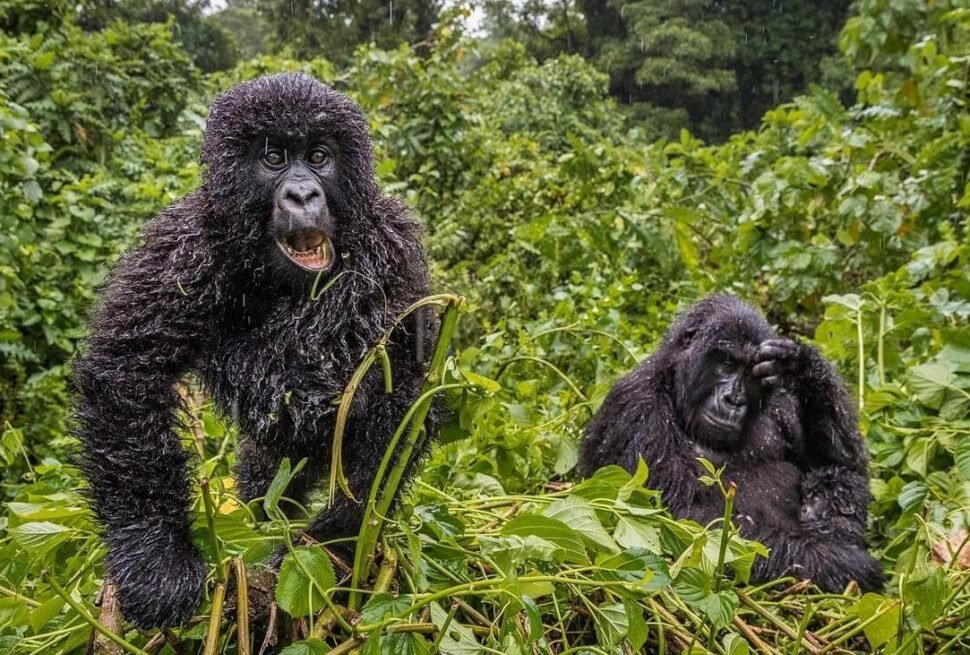
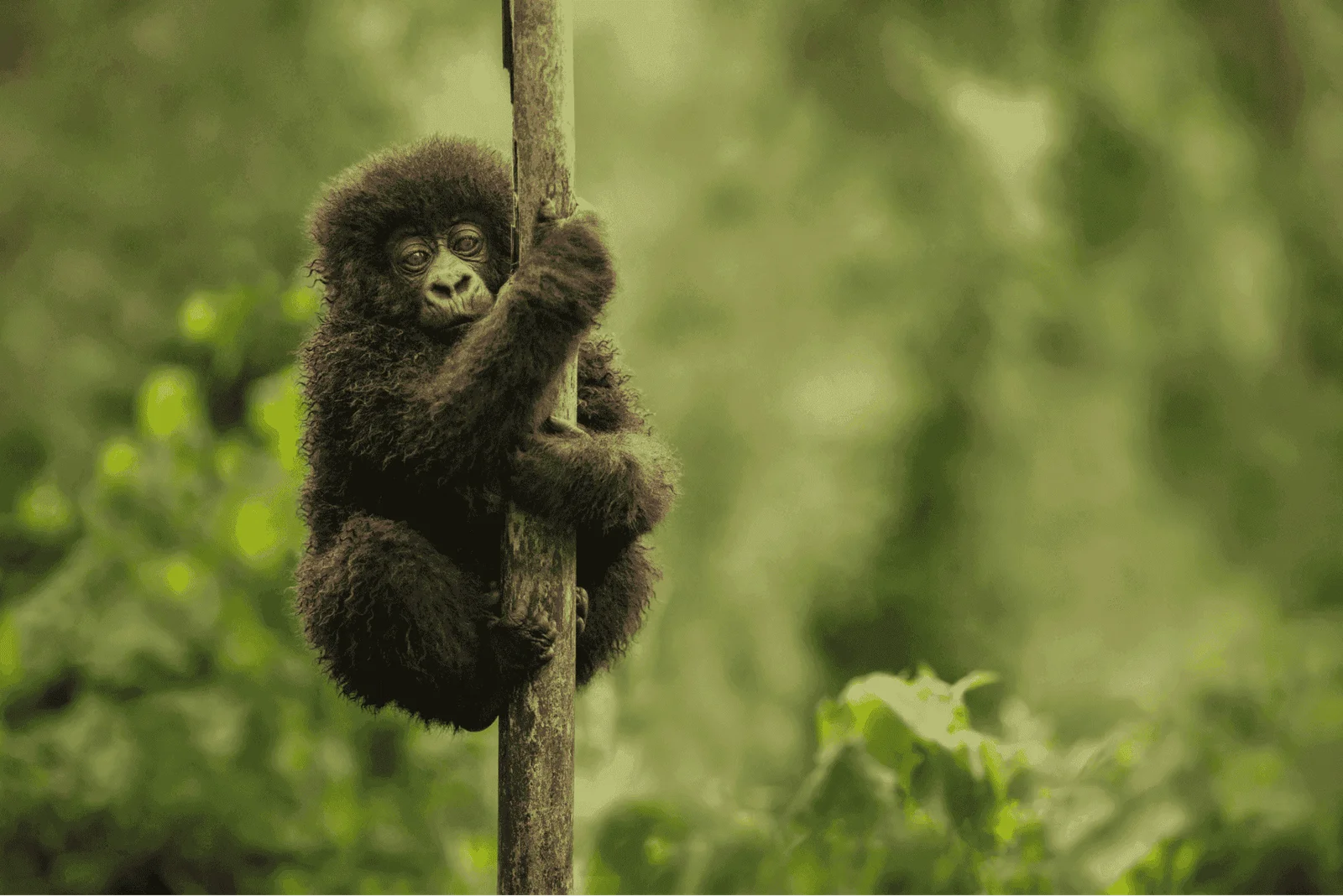
Younger, lighter gorillas spend a significant amount of time in the canopy, playing and feeding on tender shoots. As they mature, the physics of their environment change. A silverback must be certain a branch can support his weight before committing to a climb.
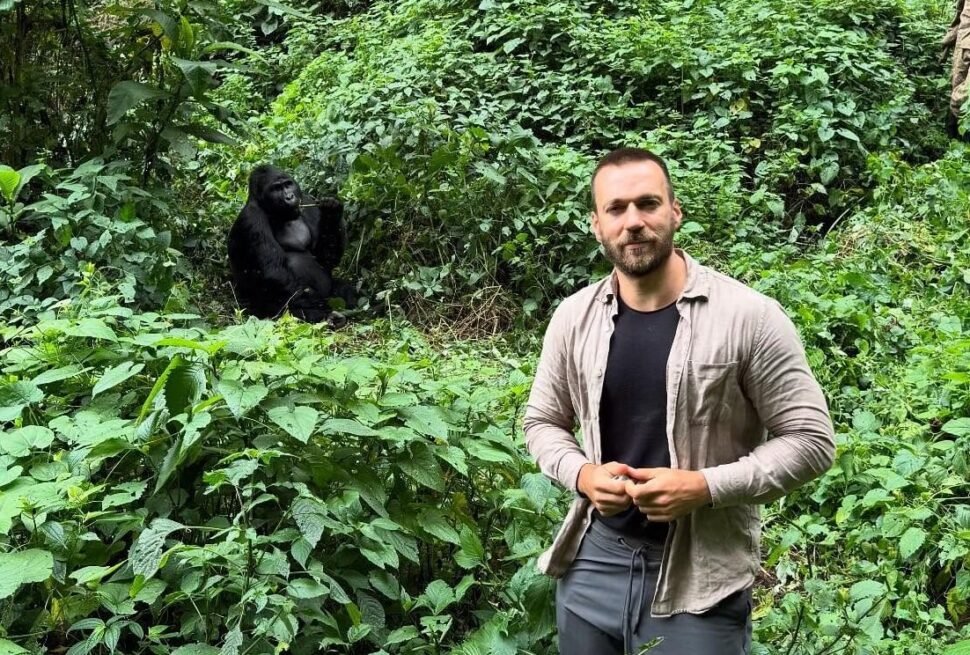
During the gorilla trekking experience, you might witness a family group spread across multiple levels of the forest. Some might be grounded in the thickets of Bwindi Impenetrable Forest while others sit high above in the ancient ferns.
This vertical movement is a vital part of gorilla behaviour, explained through their dietary needs, as certain delicacies only grow at height.
Do Gorillas Attack Humans

The question of safety often dominates the conversation for first-time travelers. In popular media, gorillas are frequently depicted as monsters, but the reality in the wild is profound tranquility.
They are vegetarian pacifists by nature. They do not hunt humans and generally view our presence with a mix of boredom and mild curiosity.
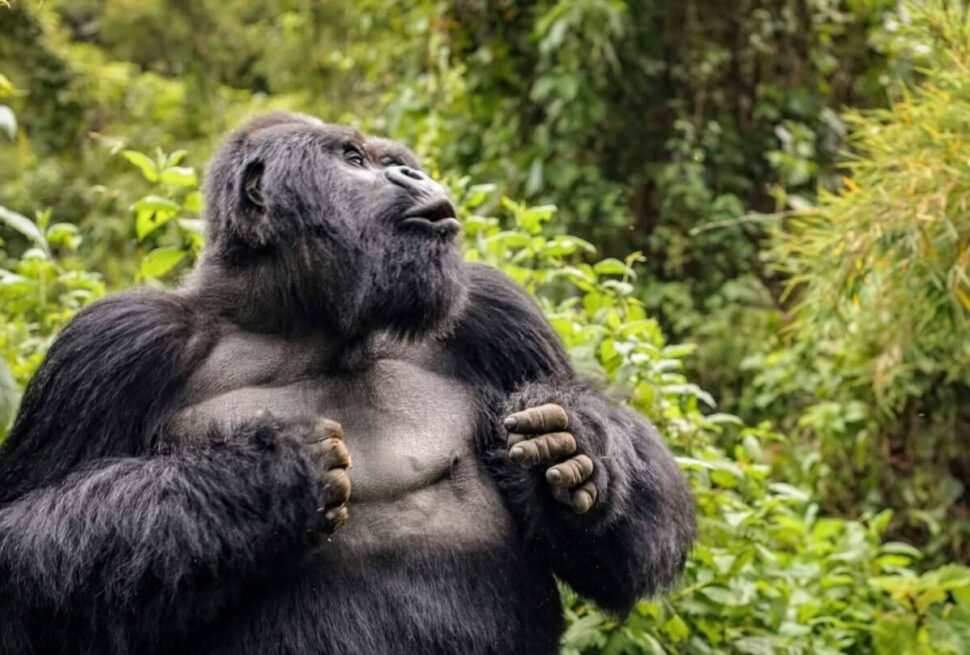
Aggression is almost always a defensive reaction rather than an unprovoked strike. If a silverback feels his family is in danger, he will use a series of escalating signals to deter the intruder.
Understanding gorilla charge safety is a core part of the pre-trek briefing. By following the guidance of experts, you ensure that gorilla trekking remains safe for both species.
Genetic Connections and Comparisons

Gorillas are part of the Hominid family, and their biological proximity to humans is startling. While they are closely related to chimpanzees, their social structures and temperaments differ significantly.
Chimpanzees are often more frantic and prone to intergroup conflict. In contrast, mountain gorillas maintain a more stoic, patriarchal society.
This genetic overlap is a double-edged sword. It allows for the incredible emotional connection people feel when they see gorillas in the wild. However, it also means they are highly susceptible to human respiratory infections.
Protecting the mountain gorilla population requires us to maintain a strict distance to prevent the transmission of common illnesses that could be fatal to them.
The Physical Power of a Silverback

A mature male is roughly six times stronger than a human. This power is not built in a gym but is a result of a specialized diet and the constant physical demands of moving through rugged terrain.
Whether they are pushing through dense brush or climbing steep slopes in the Virunga Mountains, their endurance is remarkable.
You can witness this raw strength during a 3-day Mgahinga gorilla trekking safari. Watching a silverback effortlessly clear a path through bamboo provides a humbling sense of scale.
This strength is rarely used for violence, serving instead as the tool they use to provide for and protect their offspring.
Preparing for Your Own Forest Encounter

If these gorilla facts have piqued your curiosity, the next step is logistical. Planning a trip involves choosing between different regions, such as the Bwindi sectors explained in our guides.
You also need to consider the cost of gorilla trekking and how it fits into your broader itinerary.
Many travelers prefer the convenience of gorilla trekking from Kigali to save time on the road. Others opt for a more comprehensive 10-day Uganda primate wildlife safari to see the full spectrum of Uganda’s biodiversity.
Regardless of your choice, knowing how to book a gorilla trekking permit early is the only way to guarantee your spot.
FAQs
- Can gorillas swim?
Most gorillas avoid deep water and cannot swim. In the wild, they have been observed using sticks to test the depth of swamps before crossing.
. - How long does a trek usually take?
The duration is unpredictable because it depends on the movement of the gorillas. You might find them in two hours, or it could take six. We discuss this in detail in our post on how long gorilla trekking takes.
. - Why is it so expensive to see them? The high cost supports “extreme conservation.” This includes 24-hour protection for the gorillas and funding for local health centers. You can read more about why gorilla trekking is so expensive on our blog.
. - Are there gorillas in the zoo that climb better?
Captive environments often provide climbing structures, but nothing compares to the complex verticality of their natural habitat in Mgahinga Gorilla National Park.
. - What happens if a gorilla touches me?
While rare, if a gorilla initiates contact, you should remain passive and follow your guide’s instructions. You should never attempt to touch them first.

The best way to answer your questions is to stand in the forest and see the reality for yourself. Whether you are interested in a 1-day Bwindi gorilla trek or a longer adventure, we can help you navigate the details.
Please book a gorilla permit or reach out to us to plan a safari that suits your travel style.