
The Democratic Republic of Congo is home to the world’s most dramatic landscapes and the highest density of biodiversity on the continent. It is also one of the most volatile regions on earth.
For the curious traveler, the pull of Virunga National Park is undeniable. It offers a raw, primordial beauty that feels untouched by the sanitizing effects of modern mass tourism.
However, the question of whether it is responsible or even possible to visit remains a moving target.
While many travel blogs gloss over the risks to secure a booking, we believe intellectual honesty is the only way to build a real relationship with our guests.
Navigating the DRC requires more than just a passport; it requires an appetite for risk that most casual vacationers do not possess.
Understanding the reality on the ground is the first step in deciding if a Congo expedition is for you or if the relative stability of a safari in Uganda is a better fit for your goals.
Key Takeaways
- Political Volatility: Virunga National Park frequently closes due to rebel activity and civil unrest, making trip consistency a major gamble.
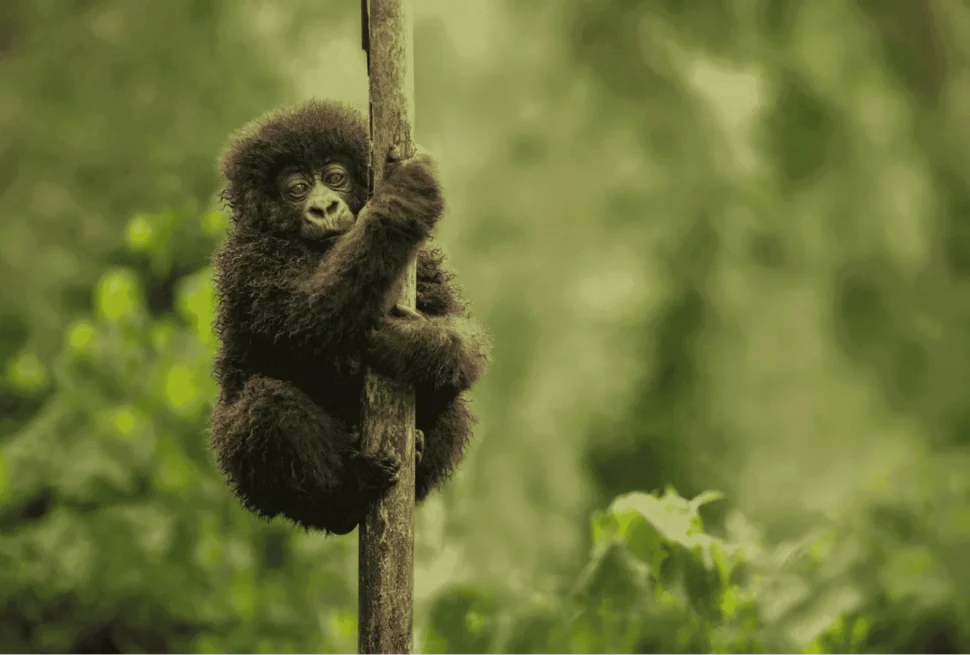
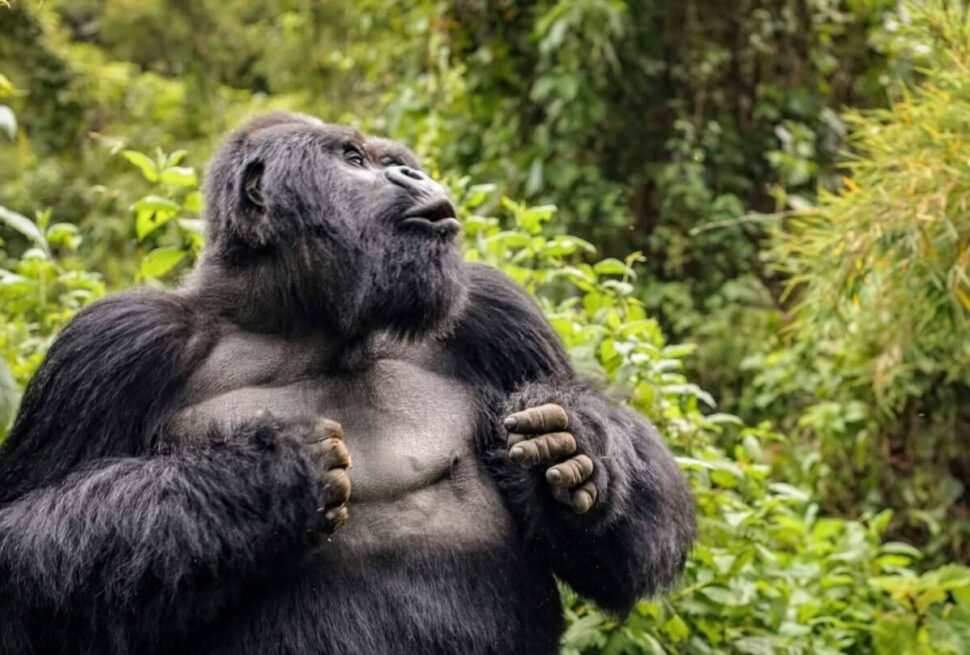
. - Unique Biodiversity: The DRC is the only place to see both mountain gorillas and Eastern lowland gorillas in their natural habitats.
. - Infrastructure Gaps: Beyond the park’s own managed sites, medical and transport infrastructure is extremely limited compared to neighboring countries.
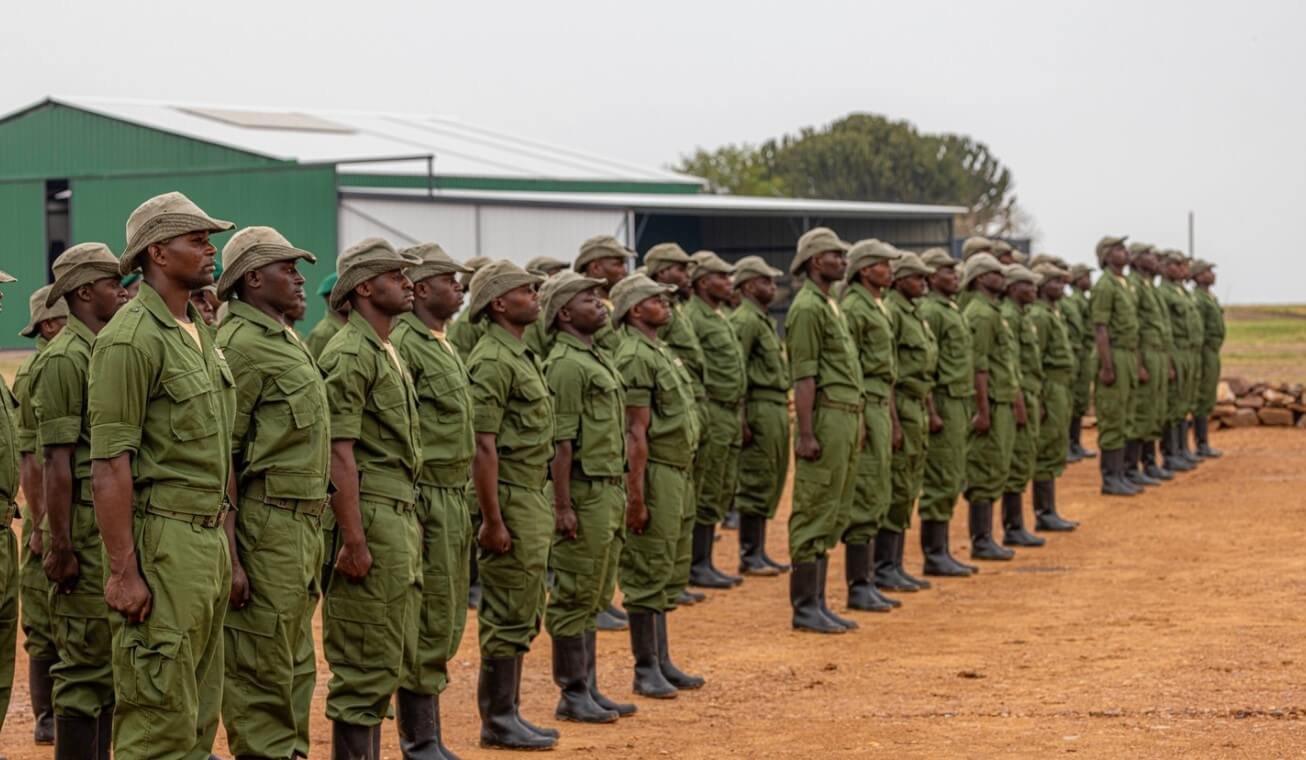
. - Security Protocols: When the park is open, visitors are escorted by heavily armed rangers from the Congolese Institute for Nature Conservation (ICCN).
.
The Reality of Virunga National Park

Virunga is Africa’s oldest national park. It is a place of active volcanoes and deep rainforests, but it sits at the epicenter of a complex geopolitical struggle.
For years, the park has been a frontline in conflicts involving various armed groups vying for control of natural resources. This isn’t a secret, yet it is often downplayed in glossy brochures.
When the park is operational, the experience is world-class.
The rangers are among the most dedicated conservationists on the planet, often risking their lives to protect the mountain gorillas from poachers and militia. However, these same tensions lead to frequent and sudden closures.
If you are planning a trip months, you must accept that your gorilla trekking experience in Congo could be cancelled at the eleventh hour.
This is a stark contrast to the safety of gorilla trekking in Uganda, where parks like Bwindi have remained open and secure for decades.
Comparing the Logistics of Risk

The logistics of reaching the DRC are inherently more complex than those for Bwindi or Mgahinga. Most travelers enter via the Goma border from Rwanda.
This crossing is often seamless, but it is sensitive to the diplomatic temperature between Kinshasa and Kigali. If relations sour, borders can close without notice.
In Uganda, the logistics are grounded in a mature tourism industry. You can easily find information on how to get to Bwindi or organize a 2-day trek from Kigali with a high degree of certainty.
In the DRC, you are reliant on a very narrow corridor of safety maintained by the park authorities. Outside of that corridor, the safety net disappears.
This lack of predictability is why many choose to plan a safari in a more stable environment where the focus remains on the wildlife rather than the extraction plan.
Is the Reward Worth the Risk

There is an argument for the DRC that resonates with a specific type of traveler. Because of the country’s reputation, you will never encounter the crowds found in other parks.
The intimacy of a Congo gorilla trek is unparalleled. You are participating in a very direct form of conservation; your permit fees go toward the salaries of rangers who are the only thing standing between the gorillas and extinction.
However, one must weigh this against the physical and mental toll of traveling in a conflict zone. You should ask yourself if you are comfortable being escorted by armed military personnel.
For some, this adds a layer of intensity that defines their trip. For others, it detracts from the spiritual connection one hopes to find with the Great Apes.
If you find the latter to be true, looking into gorilla trekking in Bwindi which provides a similar biological encounter without the heavy military presence.
The Ethical Dilemma of Congo Tourism

Tourism is often touted as a “force for good,” but in the DRC, it is complicated. Supporting the park helps preserve a UNESCO World Heritage site. It provides jobs in a region where economic opportunities are scarce.
Yet, some argue that bringing tourists into a region with active rebel groups puts unnecessary pressure on local security forces.
According to UNESCO’s State of Conservation reports, the park continues to face threats from illegal resource extraction and armed conflict.
This makes the DRC a destination for the “impact traveler”—someone who is well-informed and prepared for the reality that their presence is a political statement as much as a vacation.
If your goal is a relaxing, worry-free holiday, you may find that Mgahinga gorilla trekking offers the same volcanic scenery with a significantly lower stress threshold.
Practical Alternatives for the Cautious Adventurer

If the current climate in the DRC feels too uncertain, Uganda remains the most logical alternative. The cost of gorilla trekking is higher than in Congo, but that premium buys you peace of mind and world-class infrastructure.
You can choose between different experiences, such as a 3-day gorilla habituation where you spend four hours with the gorillas, or a standard trek.
For those who enjoy the volcanic terrain similar to Virunga, Bwindi vs Mgahinga is the relevant debate. Mgahinga offers the same dramatic peaks and golden monkey encounters as the DRC but within the secure borders of Uganda.
You can even combine these with an 8-day wildlife safari to see the broader diversity of the region.
Frequently Asked Questions

1. Is Virunga National Park currently open for trekking?
Status changes frequently. You should always check the official Virunga National Park website or contact a specialist before booking. If closed, many travelers pivot to Uganda gorilla trekking permits as a reliable backup.
2. Can I get a refund if my Congo trek is cancelled?
Most operators in the DRC have flexible rescheduling policies, but cash refunds can be difficult to process due to banking limitations in the region. Always review the terms and conditions of your specific provider.
3. How does Congo’s safety compare to Uganda’s?
Statistically, Uganda is significantly safer. Issues like whether Uganda is safe are usually answered with a “yes,” whereas the DRC requires a “yes, but only in specific zones under guard.”
4. What is the best way to see gorillas if I’m on a budget?
While Congo permits are cheaper, the hidden costs of visas and private security often close the gap. A 1-day Bwindi trek is often the most cost-effective way to see mountain gorillas reliably.
5. What happens if a gorilla charges?
Regardless of the country, your guide will train you on gorilla charge safety. The behavior of the primates is consistent; it is the human environment around them that differs.
If you are ready to explore the mist-covered forests of East Africa but prefer the reliability of a stable destination, we invite you to book a gorilla permit with us. Whether you want to plan a safari from scratch or join one of our 10-day primate safaris, we are here to ensure your journey is as profound as it is secure.