
In the world of high-end travel, $800 usually buys you a week of luxury in a European capital or a private villa in the Maldives.
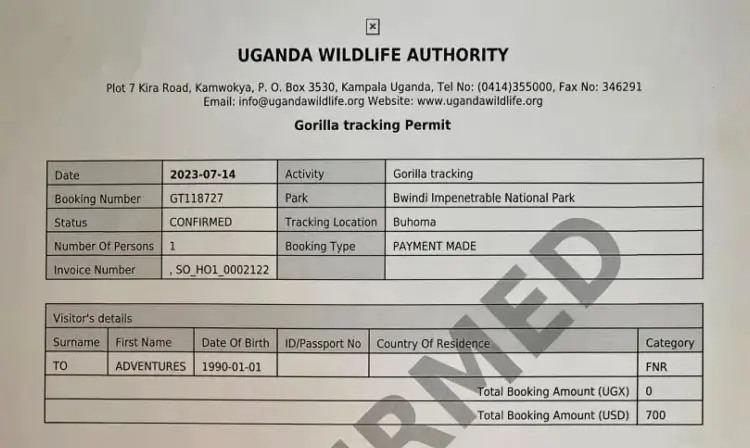
In Uganda, that same amount buys you exactly sixty minutes. It is an astronomical price for a sixty-minute window, and on paper, the math seems broken.
Yet, mountain gorilla tourism is the only conservation model in the world that has successfully moved a Great Ape species from the category of “critically endangered” to “endangered.”
When you ask if the price is justified, you aren’t just paying for a hike. You are paying for the survival of a species that shares 98% of your DNA.
Key Takeaways
- Permit fees directly fund 24-hour armed protection for every habituated gorilla family.
- The one-hour limit is a medical necessity to prevent the transmission of human diseases to gorillas.
- Your investment supports a “low volume, high value” model that prevents environmental degradation.
- Local communities receive a direct 20% share of park fees, turning former poachers into protectors.
The Reality of the One-Hour Rule

Many travelers wonder why the clock starts the moment you find the family. It feels clinical and rushed.
However, this restriction is the very reason why whether gorilla trekking is ethical remains a valid question with a positive answer. Gorillas are highly susceptible to human illnesses; even a common cold can devastate a troop.
By limiting contact to one hour, the Uganda Wildlife Authority minimizes the stress on the animals and the risk of cross-infection. If you want more time, the 3-day gorilla habituation in Bwindi allows for a four-hour encounter.
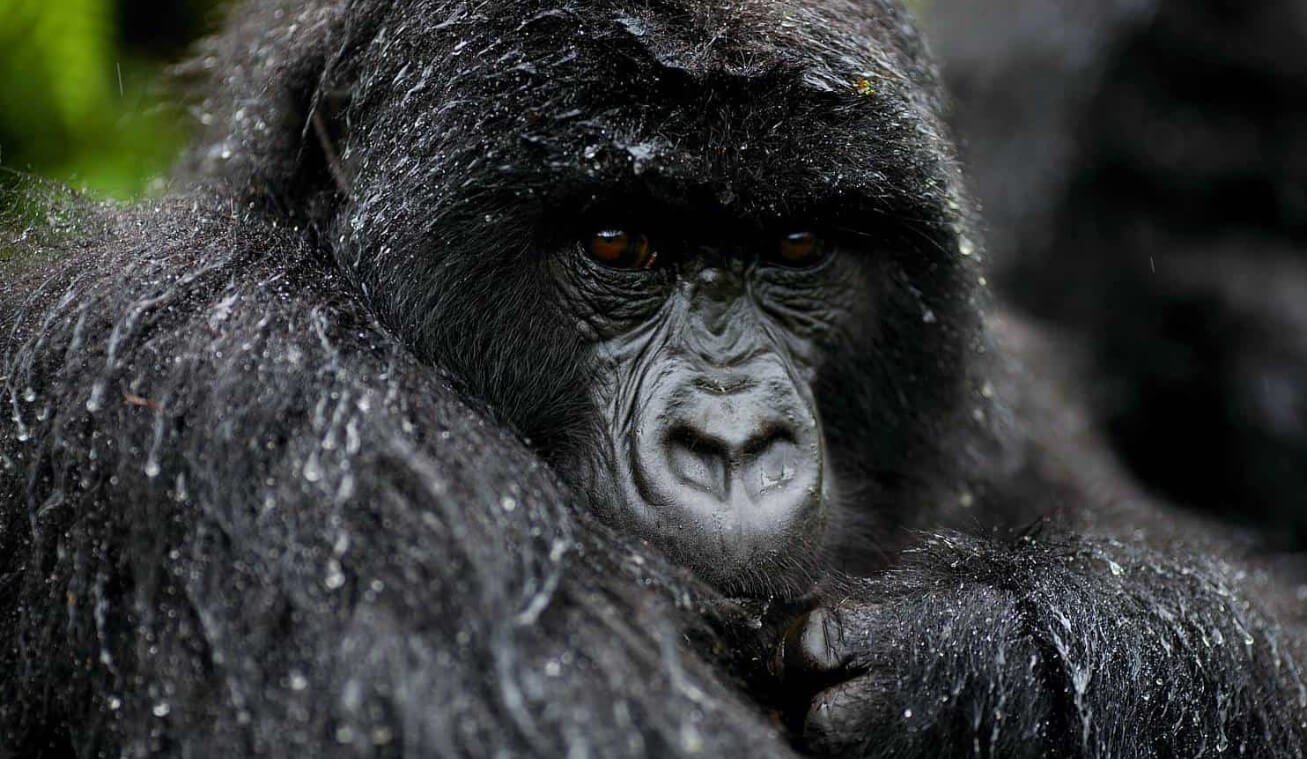
But for most, that single hour is so sensory-heavy that it feels like a lifetime. You aren’t just looking at them. You are watching a mother groom her infant or a 400-pound silverback settle a dispute with a single glance.
Comparing the Global Travel Budget

If you spent $800 on a week in Paris, you would have memories of museums and cafes. If you spend it on gorilla trekking in Bwindi, you are funding the salaries of the rangers who live in the forest to prevent snaring.
You are paying for the Uganda gorilla trekking permits that ensure only a tiny fraction of the world’s population ever steps into this habitat.
The scarcity is what preserves the magic. Unlike a traditional safari where twenty vehicles might surround a single lion, the gorilla trekking experience is intimate.
You and seven other people are the only humans in that sector. This level of exclusivity in a UNESCO World Heritage site is what you are actually purchasing.
Beyond the Brochure Highlights

The mainstream conversation often focuses on the “encounter,” but the real value lies in the infrastructure behind it.
When you look at the cost of gorilla trekking, remember that 20% of that money goes straight to the people living at the park boundaries. This revenue-sharing model builds schools and clinics.
It changes the local narrative from “the forest is a place we can’t touch” to “the forest is the reason our children have an education.” This social contract is the most robust fence ever built.
When people ask whether Uganda is safe for travelers, the answer is tied to this stability. The community protects the tourists because the tourists protect their livelihood.
Making the Emotional Decision

Whether you choose a 1-day Bwindi gorilla trek or a more expansive 10-day Uganda primate wildlife safari, the internal debate usually ends the moment you lock eyes with a gorilla.
There is an intellectual precision to the conservation science, but the emotional impact is raw.
You see yourself in their hands, their eyes, and their social hierarchies. It is a mirror held up to our own evolution. For those who crave authenticity, this isn’t a “tourist attraction.” It is a pilgrimage to the roots of the human story.
When you view it through that lens, the question of whether it is “worth it” shifts. The real question becomes: what is the cost of not protecting this?
Preparing for the Investment

To get the most out of your money, you need to be prepared. Knowing what to wear for gorilla trekking and understanding how hard gorilla trekking is will ensure you aren’t distracted by physical discomfort during your sixty minutes.
Many travelers choose to book a 2-day Bwindi gorilla trek from Kigali to save on transport time, while others prefer the rugged beauty of Mgahinga gorilla trekking.
Regardless of the route, the impact of your permit remains the same. You are a direct shareholder in the most successful primate conservation project on Earth.
Frequently Asked Questions

1. Why is there a one-hour limit?
The limit is strictly for the health and safety of the gorillas. It prevents the animals from becoming overly stressed and reduces the risk of human-to-gorilla disease transmission, such as respiratory infections.
2. Can I get a refund if the trek is too difficult?
No, the terms and conditions of the UWA state that permits are generally non-refundable. However, if you have a medical issue on the day, rangers will do their best to assign you to a closer family.
3. Is it better to trek in Uganda or Rwanda?
When evaluating Uganda vs Rwanda gorilla trekking, the experience is similar, but the cost in Uganda is nearly half the price. Both countries use the funds for the same high-standard conservation goals.
4. What happens if I don’t see the gorillas?
While sightings are 99% guaranteed due to advanced trackers, the FAQs state that if you truly don’t find them, you may be offered a second trek or a partial refund, though this is incredibly rare.
5. Should I hire a porter?
Absolutely. At roughly $20, hiring a porter provides a direct income to a local resident and makes the hike significantly easier, allowing you to focus on the forest rather than your bag.
The forest is waiting, and the permits are limited. If you are ready to see why thousands of travelers find this experience priceless, you can plan a safari today to start your journey into the heart of Bwindi.