
One hour into a gorilla trek in southern Bwindi, the forest can feel almost vertical. Boots slide on wet roots. Your lungs notice the altitude. Then an elderly woman in her seventies passes by steadily with a walking stick and a porter carrying her backpack.
That contrast matters.
People often ask if gorilla trekking is hard because they are trying to answer a deeper question. Am I physically capable of this experience, or is it designed only for serious hikers?
The safari industry sometimes answers poorly. Some companies oversell comfort. Others exaggerate the hardship until travelers imagine military-level endurance tests.
Reality sits somewhere in between.
Gorilla trekking in Uganda can be demanding. Certain sectors are genuinely steep and muddy, especially after rain. Altitude adds another layer.
Yet thousands of ordinary travelers complete treks every year, including older visitors, moderately fit travelers, and people who rarely hike at home.
The key is understanding what kind of trek you are signing up for, how Uganda’s gorilla parks differ, and where preparation matters more than raw fitness.
Key Takeaways
- Gorilla trekking ranges from moderately challenging to physically demanding, depending on the sector, weather, and gorilla family location.
. - Nkuringo in southern Bwindi is widely considered the toughest sector due to steep terrain and elevation changes.
. - Buhoma often offers more accessible trekking conditions, though no trek is fully predictable.
. - Most treks last between 2 and 6 hours in total, including the one-hour gorilla viewing limit.
. - Porters dramatically reduce difficulty and provide direct income to local communities around the parks.
.
What Actually Makes Gorilla Trekking Difficult?

The phrase “gorilla trekking” sounds simple enough. In practice, several factors combine to shape how difficult a trek feels.
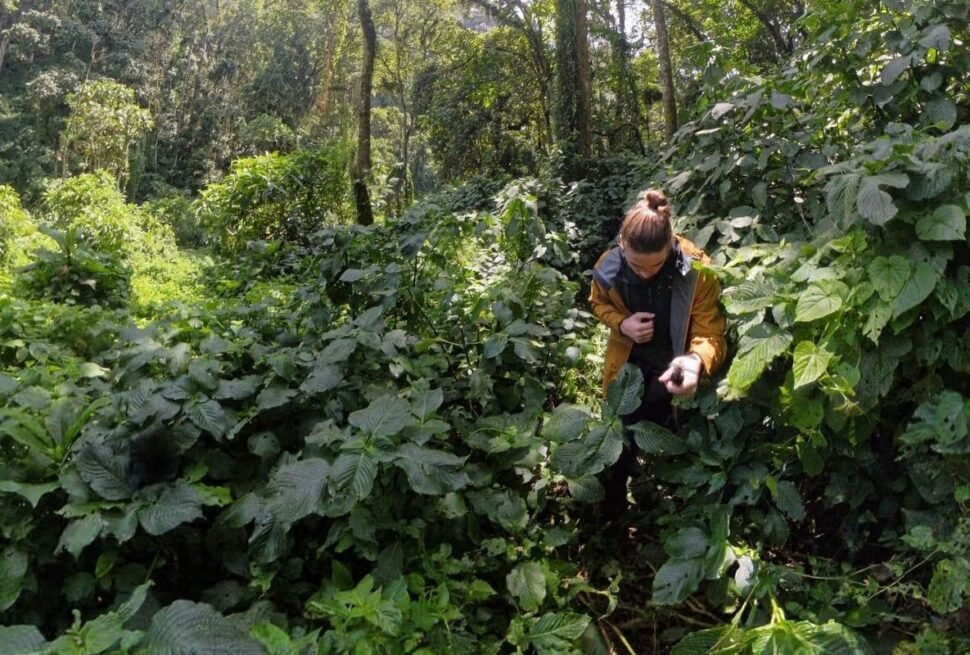
Terrain matters first. Bwindi Impenetrable Forest is not a manicured hiking reserve. It is an ancient rainforest. Trails can be narrow, muddy, slippery, and uneven.
Rangers sometimes cut paths through thick vegetation with machetes, depending on where the gorillas moved overnight.
Altitude matters too.
Most trekking areas sit roughly between 1,160 and 2,600 meters above sea level. Even travelers who exercise regularly can feel slower on steep climbs at elevation.
Then there is unpredictability. Gorilla families move freely. Some mornings, the trackers locate them within an hour. Other days, they are deep in the forest, requiring longer ascents and descents.
That uncertainty is part of what keeps the experience wild rather than staged. If sightings became effortless and fully controlled, the conservation model would start drifting toward something more artificial.
You can read a broader breakdown of the trekking process in our guide to what is gorilla trekking.
How Difficult Is Gorilla Trekking in Uganda by Sector?

Not all gorilla trekking sectors feel the same. This is one of the most important details travelers miss when booking.
1. Nkuringo Sector
Nkuringo gorilla trekking in southern Bwindi is often considered the toughest region physically.
The terrain here is steep, with long uphill climbs and sharp descents into valleys. Some lodges even require short uphill walks just to reach your room. During rainy periods, trails become slick and exhausting.
That said, “hard” does not mean impossible.
Many travelers in Nkuringo are not elite hikers. They simply move slowly, use walking sticks, hire porters, and pace themselves properly. Guides also adjust rhythm frequently because the goal is not speed. The goal is reaching the gorillas safely and sustainably.
Nkuringo rewards effort with dramatic scenery. Terraced hillsides stretch toward the Virunga volcanoes, and the forest feels especially remote.
2. Buhoma Sector
Buhoma gorilla trekking in northern Bwindi generally offers more moderate trekking conditions.
Trails here can still be muddy and physically tiring, but the elevation profile is often gentler than Nkuringo. This makes Buhoma popular with older travelers and visitors concerned about fitness.
Still, no operator can honestly promise an “easy” trek. Gorilla families move. A supposedly light trek can become unexpectedly long if the gorillas travel farther overnight.
That unpredictability is why ethical operators avoid guarantees about difficulty.
3. Rushaga and Ruhija
Rushaga varies widely. Some treks are manageable while others involve serious climbs. Ruhija sits at a higher elevation and can feel harder because thinner air affects stamina more quickly.
If fitness is a concern, discuss it openly before booking. Good operators do not treat that conversation as embarrassing or inconvenient. They use it to help match travelers with appropriate sectors and gorilla families.
Our guides on gorilla trekking from Kigali and how to get to Bwindi also explain how route logistics influence overall physical fatigue.
How Long Does Gorilla Trekking Usually Take?

Most treks last between 2 and 6 hours total.
That includes:
- Pre-trek briefing
- Hiking to locate the gorillas
- One regulated hour with the gorilla family
- Hiking back out
Some treks finish surprisingly quickly. Others stretch close to the full day.
The official one-hour viewing rule exists partly to reduce stress and disease transmission risks for the gorillas. The International Gorilla Conservation Programme and WWF gorilla conservation work both emphasize the vulnerability of mountain gorillas to human illness.
That conservation context matters. Trekking is physically demanding, partly because the gorillas are protected within real forest ecosystems rather than relocated into easily accessible tourist zones.
For a fuller breakdown, see our guide on how long gorilla trekking takes.
How Fit Do You Need to Be?

You do not need marathon-level endurance.
You do need reasonable mobility, patience, and the ability to walk on uneven terrain for several hours. Moderate fitness is usually enough for most travelers.
People often underestimate something else, though. Downhill hiking can be harder than uphill sections, especially on muddy slopes. Knees and balance become important.
A useful benchmark is this:
If you can comfortably walk several kilometers with hills, recover well after exertion, and manage uneven ground without panic, you are probably capable of gorilla trekking.
Travelers in their sixties and seventies regularly complete treks successfully. Some use walking sticks. Others rely heavily on porters. A few even use sedan chairs carried by specialized support teams for particularly difficult sections.
The experience is more adaptable than many assume.
If you are concerned about safety rather than fitness specifically, read is gorilla trekking safe and gorilla charge safety.
Porters Make a Huge Difference

Hiring a porter is one of the smartest decisions you can make.
And frankly, many travelers who skip porters do so because they misunderstand what the service represents. They assume it is only for weak hikers or luxury travelers. That misses the point completely.
Porters carry bags, stabilize travelers on slippery sections, and help conserve energy throughout the trek. Their assistance can transform the experience from exhausting to manageable.
The community impact matters too.
Many porters come from villages surrounding Bwindi and Mgahinga. Some are former poachers who now earn income through conservation-linked tourism. Gorilla trekking works partly because local communities receive tangible economic benefits from protecting gorilla habitat.
That relationship between tourism and conservation deserves more attention than it usually gets in safari marketing.
You can also read more about ethical considerations in is gorilla trekking ethical.
What Older Travelers Should Know

Age alone is a poor predictor of trekking success.
Preparation matters more.
Older travelers who struggle most are often those who arrive assuming guides will somehow remove all physical challenge from the day. Meanwhile, active retirees who pace themselves realistically usually do very well.
Several practical adjustments help significantly:
- Choose sectors with gentler terrain where possible
- Hire a porter automatically
- Use proper hiking boots
- Bring lightweight rain gear
- Allow recovery time before and after trekking days
Some travelers also combine gorilla trekking with slower-paced itineraries like our 3 Days Bwindi Gorilla Trekking Lake Bunyonyi, or 5 Days Uganda Primates Safari.
What You Should Wear and Bring
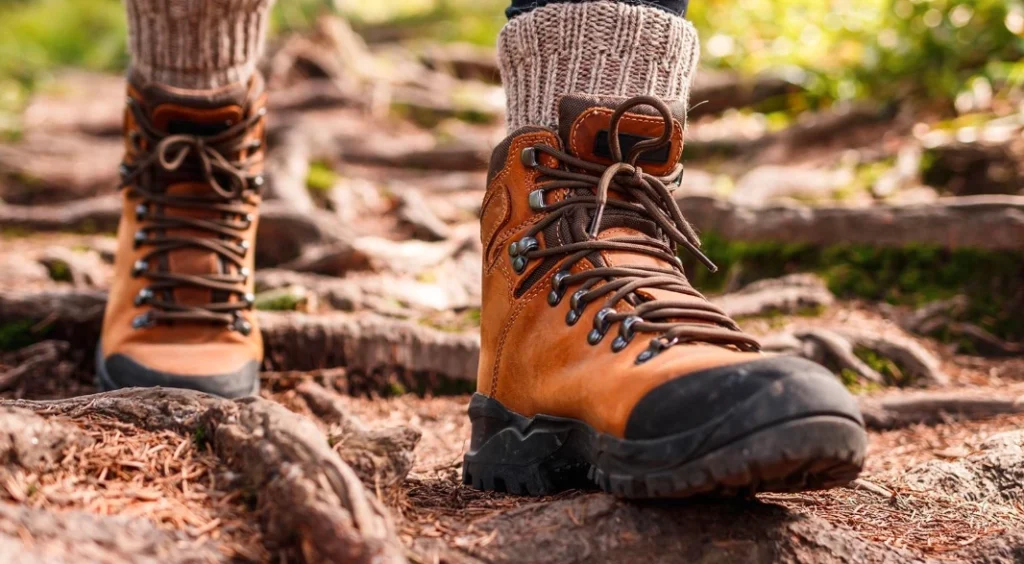
Preparation reduces difficulty more than people realize.
Good footwear matters enormously. Waterproof hiking boots with ankle support make muddy descents far safer and less tiring.
You should also bring:
- Lightweight long trousers
- Long-sleeved layers
- Gardening gloves for grabbing vegetation
- Water and snacks
- Rain jacket
- Small backpack
Avoid overpacking. Extra weight becomes miserable on steep climbs.
Our detailed guide on what to wear for gorilla trekking covers clothing in depth.
Is Gorilla Trekking Worth the Physical Effort?

For most travelers, yes.
But the answer deserves nuance.
Part of what makes gorilla trekking emotionally powerful is precisely that it requires effort. You enter the gorillas’ environment on their terms.
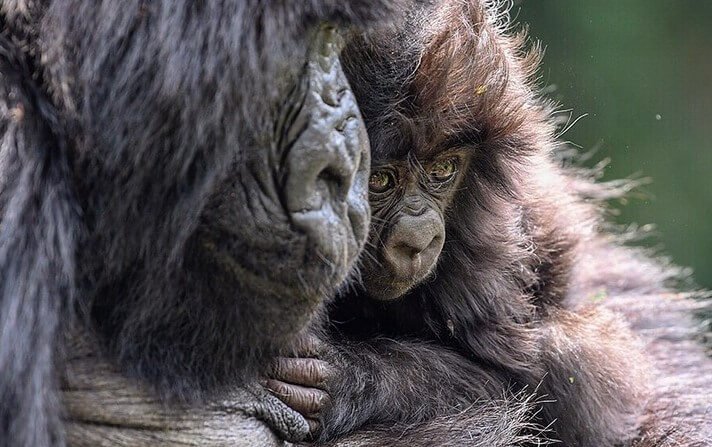
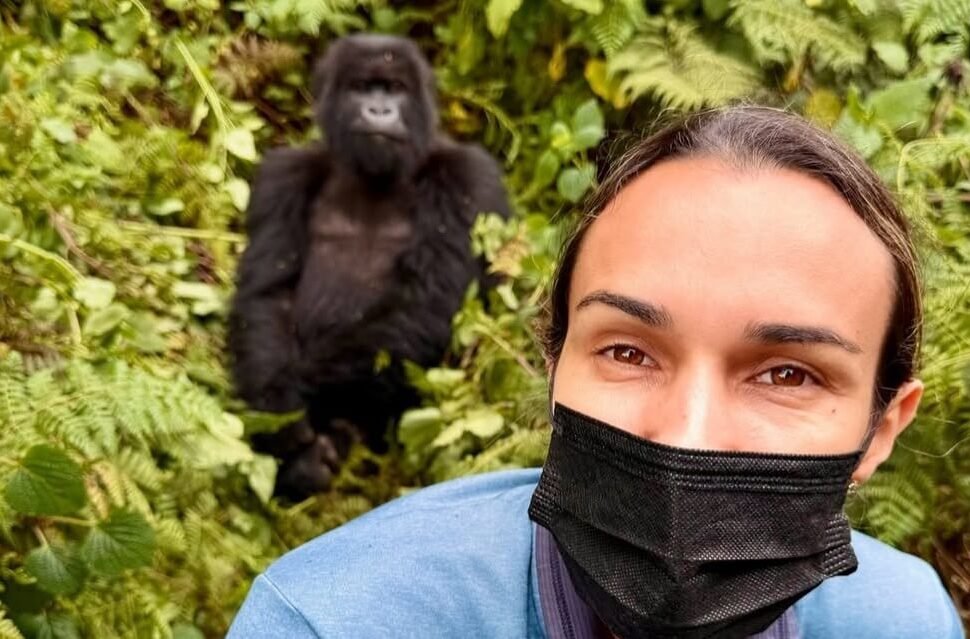
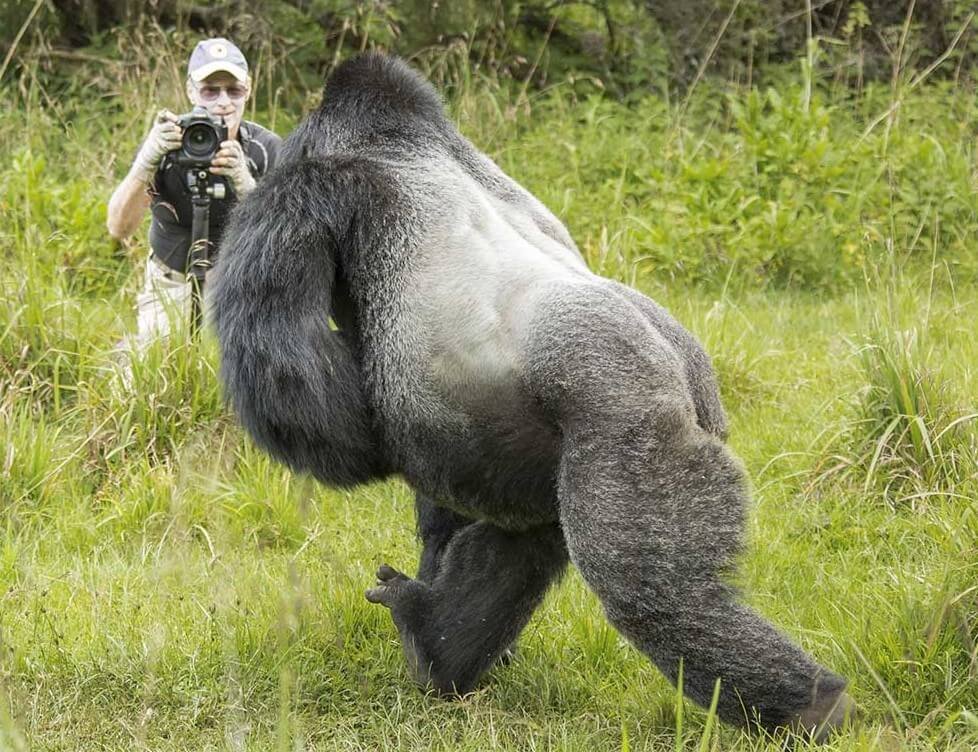
There is uncertainty, discomfort, and anticipation. Then suddenly the forest goes quiet, and a silverback is sitting twenty feet away watching your group with unnerving calm.
If the experience became effortless, something essential would probably disappear with it.
That does not mean suffering should be romanticized. Good planning matters. Honest expectations matter. Choosing the right sector matters.
For many travelers, the ideal approach is building a balanced itinerary rather than treating gorilla trekking as an isolated endurance challenge.
Trips like the 4 Day Uganda Safari, 6 Day Uganda Safari, or 10 Day Uganda Primate Wildlife Safari create more breathing room around the trek itself.
You should also understand permit logistics early. These guides help:
- Uganda gorilla trekking permits
- Gorilla permit availability
- Last minute gorilla permits
- Cost of gorilla trekking
- Uganda vs Rwanda gorilla trekking

Frequently Asked Questions
1. Is gorilla trekking hard for beginners?
For most beginners with moderate fitness, gorilla trekking is manageable. The biggest challenges are steep terrain, mud, and altitude rather than technical hiking skills.
2. How strenuous is gorilla trekking in Uganda?
It ranges from moderate to strenuous depending on the trekking sector and gorilla location that day. Nkuringo is generally considered the most physically demanding sector in Bwindi.
3. Can older people do gorilla trekking?
Yes. Many travelers in their sixties and seventies complete gorilla treks successfully every year. Porters, walking sticks, and careful sector selection make a major difference.
4. What happens if I cannot continue during the trek?
Guides and rangers assess situations carefully. Porters can assist heavily fatigued travelers, and in some cases, sedan chair services are available at additional cost.
5. Is gorilla trekking harder than a normal hike?
Usually yes. Rainforest terrain, mud, altitude, and off-trail walking make it more demanding than standard recreational hiking trails.
If you are considering a gorilla trek and want realistic guidance about fitness, terrain, permits, or choosing the right sector, you can request a quote. Honest planning leads to better experiences in the forest.