
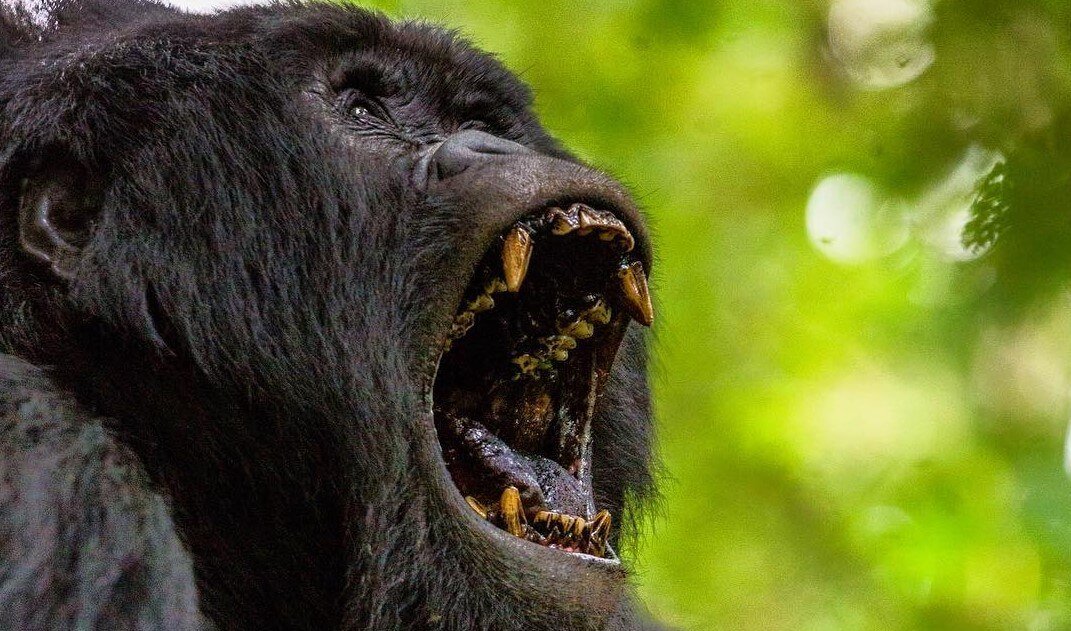
A silverback mountain gorilla can exert a bite force of approximately 1,300 pounds per square inch, nearly double that of a lion.
Yet, when you finally stand a few meters away from one in the tangle of a rainforest, you rarely see a display of raw power. Instead, you witness a startlingly familiar scene of domesticity.
The mountain gorilla exists as a paradox: a creature of immense physical capability defined primarily by its gentle social bonds and complex emotional intelligence.
Understanding the biology and social architecture of these primates transforms your gorilla trekking experience from a mere wildlife viewing into a profound observation of an alien yet kindred society.
While brochures focus on the “majesty” of the encounter, the real magic lies in the subtle nuances of their daily lives.
By grounding your expectations in biological reality, you prepare yourself for the quiet, heavy presence of a family that has allowed you into their living room for a fleeting moment.
Key Takeaways
- The Silverback Role: Dominance is not just about aggression but about the protection and mediation of the entire family unit.
. - Social Connectivity: Strong maternal bonds and play behaviors between juveniles are the primary indicators of a healthy, stable group.
. - Dietary Dedication: Gorillas spend up to half of their day consuming massive quantities of vegetation to sustain their large frames.
. - Vocal Nuance: From soft grunts of contentment to sharp barks of warning, their communication is a constant, subtle soundtrack.
.
The Silverback and the Family Anchor

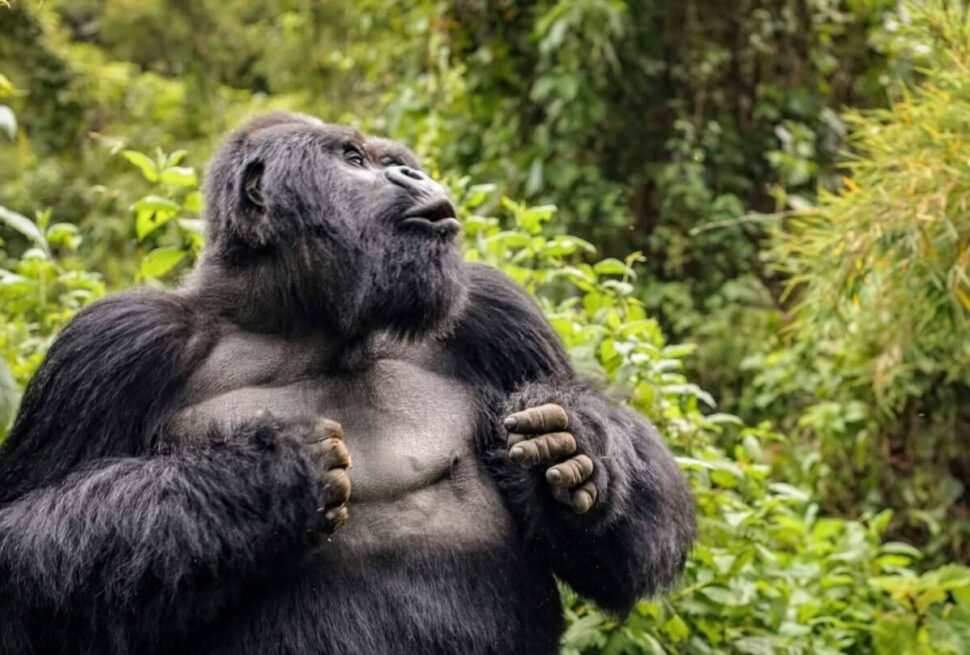
In every habituated group, the silverback acts as the central sun around which all other members orbit.
He is the undisputed leader, responsible for deciding how long gorilla trekking takes for visitors by choosing when the family moves, rests, or feeds.
This dominance is earned and maintained through a combination of physical size and his ability to settle internal disputes.
While the silverback is the ultimate protector, he is also surprisingly patient with his offspring.
It is common to see infants climbing over his massive, immobile frame while he rests, a sight that often justifies why gorilla trekking is so expensive for those seeking such intimate moments.
His presence provides the safety net that allows the rest of the group to forage and play without constant vigilance.
You might see this dynamic clearly during a 3-day gorilla habituation, where you have more time to observe these power structures.
Group Dynamics and Social Play

Mountain gorillas live in highly stable groups, typically ranging from 5 to 30 individuals. Within this structure, the relationships between females and their young are the most visible.
Mothers are incredibly attentive, often carrying infants on their backs or grooming them with meticulous care.
These social interactions are not just for hygiene; they are the glue that holds the family together.
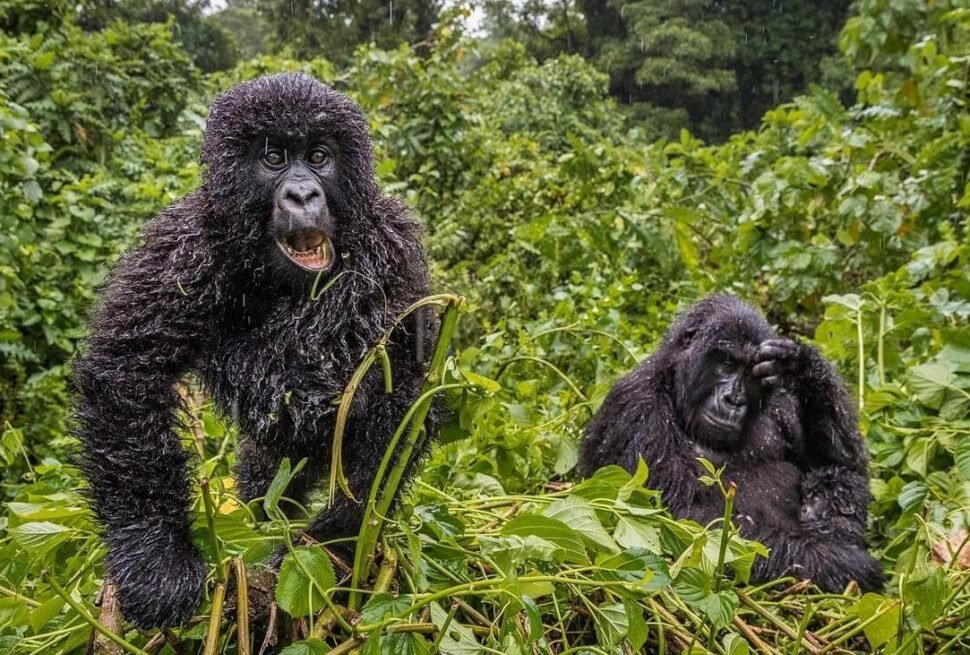
Young gorillas are the comedians of the forest. They wrestle, swing from vines, and engage in games of tag, often testing the patience of the adults.
These play sessions are crucial for their development, teaching them the physical limits and social cues they will need as adults.
Whether you are gorilla trekking in Bwindi or visiting the volcanic slopes of Mgahinga, the sight of a tumbling toddler gorilla is a highlight that reminds us of our shared evolutionary heritage.
The Foraging Life

A mountain gorilla’s day is largely dictated by its stomach.
These are massive animals, with adult males weighing up to 180kg (400 pounds), and fueling that body requires an immense amount of cellulose. They primarily eat wild celery, bamboo shoots, thistle, and fruits when available.
You will likely see them stripping bark or dexterously folding leaves to avoid stinging nettles, a behavior that showcases their fine motor skills.
This constant feeding is why the forest floor often looks like a construction site after a group has passed through. They are ecosystem engineers, thinning out vegetation and dispersing seeds through their waste.
According to research from the Dian Fossey Gorilla Fund, their feeding habits are essential for maintaining the health of the high-altitude forests.
Understanding this helps travelers appreciate whether gorilla trekking is an ethical as a way to protect the habitats these “gardeners” require.
Communication Beyond the Chest Beat

Mainstream media has fixated on the chest beat as the primary form of gorilla communication, but in reality, it is a rare and high-stakes display.
In the quiet of the forest, you are much more likely to hear a series of “belch” vocalizations. These deep, guttural rumbles are signals of contentment, used to reassure other family members that all is well.
They also use facial expressions that are eerily human. A “play face” with an open mouth but covered teeth indicates a friendly romp, while a fixed stare can be a sign of tension.
During your one hour in their presence, keep your ears open for these sounds. Your guides will often mimic these vocalizations to put the group at ease.
If a male does feel threatened, you will be glad you reviewed gorilla charge safety protocols, though such events are incredibly rare with habituated families.
What an Hour in the Wild Looks Like

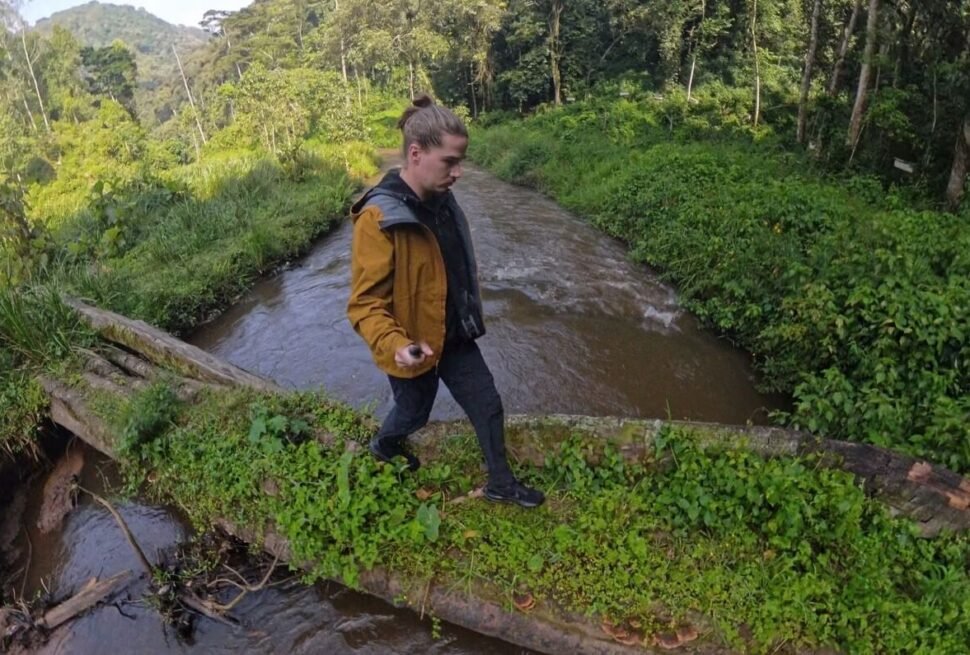
When you finally locate the group, the intensity of the hike through Bwindi evaporates. The following sixty minutes are a sensory blur.
You might find the silverback sitting like a statue, staring into the middle distance, while a few meters away, a female carefully peels the skin off a piece of ginger.
The infants will almost certainly try to get a better look at you, often prompting a protective but gentle pull back from their mothers. This is a time for observation, not just photography.
Put the camera down for a few minutes to simply breathe the same air as these creatures. Many find that this realization is what makes gorilla trekking worth it above any other wildlife experience.

Frequently Asked Questions
- How many mountain gorillas are left in the wild?
Recent census data suggests there are just over 1,000 individuals left, split between the Bwindi-Sarambwe ecosystem and the Virunga Massif.
. - Do mountain gorillas ever eat meat?
No, they are almost entirely herbivorous, though they may occasionally consume small insects like ants or termites while foraging.
. - Are the gorillas dangerous to tourists?
Habituated gorillas are used to human presence and are generally peaceful. However, they are still wild animals. Following your guide’s instructions and maintaining a 10-meter distance is essential for staying safe in Uganda.
. - Can children go trekking to see these behaviors?
There is a minimum age limit of 15 for trekking to ensure that all participants can handle the terrain and follow safety protocols. You can check the specifics on can kids do gorilla trekking for more details.
. - What is the best time to see them feeding?
Gorillas feed throughout the day, but they are most active in the morning. Your best time for gorilla trekking is during the dry seasons when the trails are more manageable.
.
If you want to witness these social dynamics firsthand, the first step is to book a gorilla permit to secure your spot in the forest. You can also plan a safari that combines these primate encounters with a broader 8-day Uganda wildlife safari to see the full scope of Africa’s biodiversity.